Scott Michel- No Intimidation, Just Results: Inside Orange Shoe Fitness
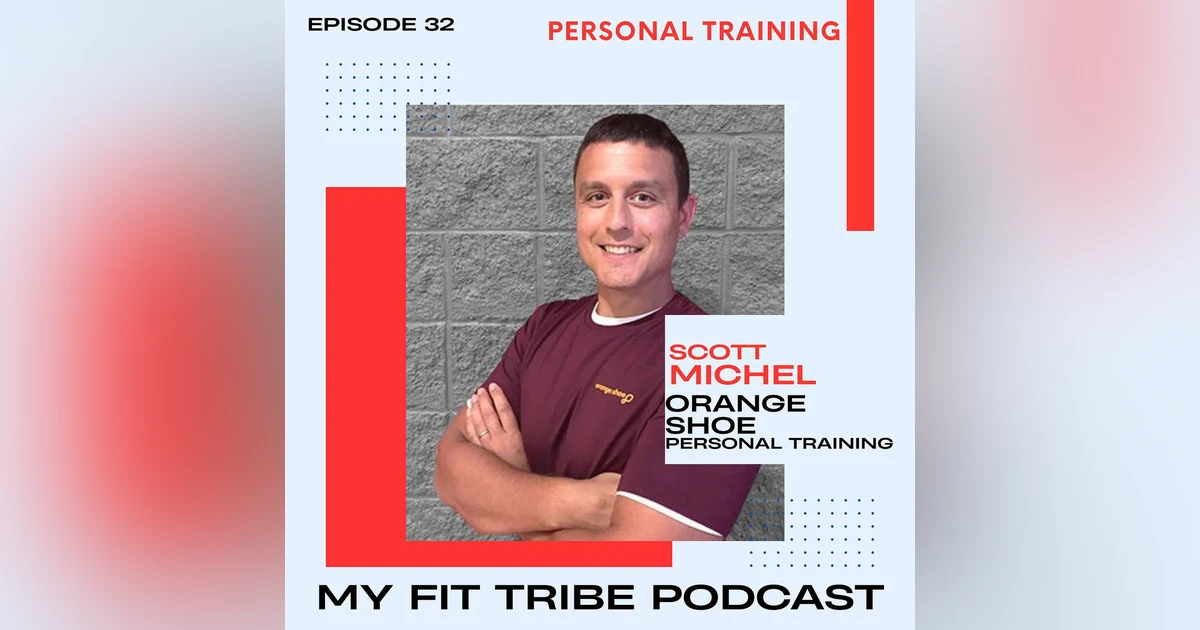


In today’s episode of the My Fit Tribe podcast, I’m joined by Scott Michel, founding partner of Orange Shoe Personal Fitness. We talk about his passion for fitness and how their gym focuses on creating a welcoming space where people can learn the basics, stay consistent, and prioritize their health at any age. If you’re looking for a supportive place to begin or get back into your fitness journey, this episode is a great place to start. Check it out!
15:03 - [Ad] Just Be True ~ A Soul-Led Podcast
15:49 - (Cont.) Scott Michel- No Intimidation, Just Results: Inside Orange Shoe Fitness
Throughout my own life and fitness journey, I have had the privilege of meeting incredible people who've shared valuable insights on mindset, health, fitness, and spiritual growth. The profound impact of this knowledge on my own life has inspired me to share it with all of you. I'm Erica Sweeney, host and founder of My Fit Tribe Podcast. Join me as we explore inspiring conversations with experts, thought leaders, and everyday heroes who offer their stories and practical tips to help you on your own journey. From nutrition and fitness to mental well-being and personal or spiritual growth, our mission is to empower you to take charge of your health and live your best life. We are more than just a podcast, we are a community. Through coaching, a wealth of shared knowledge, and a strong support network, we are here to guide and encourage you every step of the way. Come be a part of our tribe. In today's episode of the My Fit Tribe podcast, I'm joined by Scott Mitchell, founding partner of Orange Shoe Personal Fitness. We talk about his passion for fitness and how their gym focuses on creating a welcoming space where people can learn the basics, stay consistent, and prioritize their health at any age. If you're looking for a supportive place to begin or get back into your fitness journey, this episode is a great place to start. Check it out. Joining me today is Scott Mitchell, managing partner of Orange Shoe Personal Fitness. He has a Bachelor of Science degree in exercise science from UW Lacrosse and is co-founder of Tactical Functional Training. Hey Scott, I'm thrilled to have you with me today. Talk about all things fitness, which is my favorite thing to talk about. How are you doing?
SPEAKER_01Great. Thanks for having me.
SPEAKER_00Yeah. I want to talk a little bit about your history and how you got into fitness. Did you grow up in Wisconsin?
SPEAKER_01I did. I grew up on a dairy farm about an hour west of Madison.
SPEAKER_00Okay. So dairy farm hardworking, what did that environment, how did that form your passion for fitness?
SPEAKER_01Like I went to school for exercise sports science and I went into teaching. I just knew I wanted to be moving because on the farm you were moving all the time and then in sports. But then I really enjoyed teaching. I just didn't enjoy teaching in the public school system. So we just kind of took the teaching into the private sector with orange shoe.
SPEAKER_00Oh, okay. So you started teaching um like a gym teacher then in the public schools, or what did that translate?
SPEAKER_01Yeah, I taught for I taught for one year. Uh my wife taught for 10 years in uh Madison, and then I taught for one year up in Sauk Prairie. But uh a lot of respect for teachers, but it was just was I just got my butt kicked by kindergartners. So I it was easier to coach and train in the studio setting setting.
SPEAKER_00Right. So how did you get in touch with even with Orange Shoe since it was founded, correct?
SPEAKER_01Uh yes. My wife was the first trainer hired, and then I came on afterwards.
SPEAKER_00Oh wow. Okay. So what did that look like getting transitioning then from you know your thought of taking the career path of being a teacher then to kind of jumping full into orange shoe?
SPEAKER_01It was one of those things where you just you kind of followed your passion. It was uh it was fun, uh still is fun. And you know, for us, it was we figured that we wanted to do something that was a little bit different, and owning your own business was definitely one of those things, especially a uh new business, a startup. So we just said, hey, why not? So we we trained for a couple of years and then we um partnered with the founder and then bought the original location out 100% right before 2008 hit.
SPEAKER_00So you survived a couple of world crises between the 2008 crash and COVID.
SPEAKER_01Yeah, it was uh yeah, those were both very interesting times for sure. But yeah, we've we figured it out. And it's just like you know, it's just goes to show that you know, if you have great relationships, you can make it through a lot of different you know adversities in your life. And we had really great relationships with our clients and with our our staff and team, and that's the only reason why we like made it through those two uh times in life.
SPEAKER_00So, as far as orange shoe, let's talk a little bit about orange shoe and what type of programming it offers.
SPEAKER_01Personal training. So we do like all one-on-one training, and then we do small group personal training. So it's a lot of functional fitness, a lot of uh, you know, like to give you a range, like I have we don't train a ton of high school athletes, but I have a handful of high schoolers, and then our oldest client is 102. So obviously, you know, different things that we're doing, but you know, in terms of movement, uh they both need to be able to move and have a certain level of strength and a certain level of stability to uh you know function in the you know environment that they're they're currently in.
SPEAKER_00Do you do mostly strength training or is it conclude cardio? Do you write programs? What does that look like?
SPEAKER_01Yeah, so um we definitely do strength training, you know, like um uh compound movements, deadlifts, pull-ups, you know, chest presses, things of that nature. Um, but then we also have you know the uh interval training, you know, like uh cross training that we will also do. But then we also will do like more mobility. So you think about if someone comes in, they've never lifted weights, they don't move really well. We will start them with one-on-one training, and then we will like you know, transition them and ascend them into like our mobility, like our body weight training. And then when they get comfortable and then confident in that, then we'll start to get them into like the external you know lifting with like actual weights. Um, but if they if they don't know how to you know handle their own body weight, then they don't really they really shouldn't be doing interval training or trying to you know back squat or any of that kind of stuff because they can't even you know they need to function with their own body first, right?
SPEAKER_00That's so important to prevent injury. But 102 years old, I sure hope I'm alive and moving at 102. That's crazy.
SPEAKER_01Oh, yeah. She wears Mardi Gras beads to her workouts. So she's she's like still feisty.
SPEAKER_00I love that. That's that's new, my new bucket list goal. Oh my goodness. Okay, so if someone comes in, there's a lot of people that I talk to that really are want to get into fitness and they're not sure where to start. So when you have somebody come in who doesn't have a lot of uh history, like you mentioned, in the strength training, um, how do you assess them and how do you figure out what's you know the first steps are?
SPEAKER_01Um so we have everybody at least start out with like one-on-one training. It might be for a couple sessions, it might be for a couple weeks or a couple months, but that that gives us more of a runway to really determine like where their uh capacities are, like how they can handle like different patterns and movements and stuff like that. But everybody comes in for an initial consultation and we take them through some range of motion, some body weight movements, just kind of really let them talk and get comfortable in the setting. Um, and then from our conversation and how they move and how their joints are functioning, we'll lay out like what the next like three to four weeks would look like at the gym. But we can be really flexible with people from one month to the next month. Um, like one of our clients leads uh adventure tours. So she was in Africa for two months on Safari, now she's in Iceland. So like we're really flexible with her schedule and like her membership. Uh and she said that we've been the only gym that's been able to you know accommodate her crazy travel schedules.
SPEAKER_00So right. And let's talk a bit about the importance of that one-on-one training because you know it's sometimes you can go to a place and get that personal training which may not feel so personal, right? So, how important is it to really establish that relationship and make people feel comfortable as they start that fitness journey?
SPEAKER_01Um, it's like the main thing. So if someone doesn't feel comfortable, if they don't trust you, if they don't, if they're not enjoying themselves, like they uh they will not come back. So we always tell our team, like there's three main things you have to have happen in a session. And the first thing is you have to show people how they're getting better because like our clients are busy, like they can't they don't have the time to just come in and get sweaty, like they want to see how they're progressing. So it's it's simple enough for us to be able to show them how they're progressing, how they're getting stronger, how they're getting more uh you know, have a higher capacity. And then like we really work to make things fun. Like if it's not fun, like they don't want to come back. And then when somebody does kind of fall off the bandwagon, like we run visit reports every week to make sure that people are hitting their sessions. And you know, when somebody needs a little pick-me-up, you know, we we're there for them. So we understand that life's not going to be perfect all the time. So when that happens, you know, we're definitely reaching out proactively and not letting, you know, weeks and weeks go by without seeing them in the studio.
SPEAKER_00Yeah, consistency is something that I think a lot of people struggle with, like you mentioned with busy schedules and such. Um, that's great that you offer that follow-up. Uh, what do you think from your personal experience with your fitness journey, what has provided uh what do you would suggest to people to give them that uh tip for being consistent?
SPEAKER_01Um it's pretty simple. Like I always tell people, like, hey, uh the only reason you come into the gym is to increase your capacity to enjoy things in life. Like that's it. Like you don't come to the gym because you want to like whatever, like deadlift a new number. I mean, maybe that's one of your goals, but like it's really tying into like what do you value in life, like 10 years from now? Like, what do you still want to be doing at uh at the same level? And that's why you come in to train so you can still do those things, whether it's like hiking, whether it's um bicycling or or whatever those that maybe it's just being able to pick up your grandkids, whatever those activities are, like that's why you come into the gym. So it's really understanding what what those hot buttons are for people, what they you know, what brings fulfillment to their lives, and then bringing it full circle. And that's why we're training is so you can continue to do that 10 years down the road, or you can do that at a higher level, you know, in the next month or two.
SPEAKER_00Yeah, and the importance of as as we age, the importance of keeping up that muscle and that activity. You know, some people tend to be more sedentary after they're sitting at the office all day. But as we get older, it's so important that we build that muscle and move around, just speaking from experience.
SPEAKER_01Oh, yeah, for sure. Um it's and it's like interesting, is like you can get stronger relatively quickly. Like if you have good mechanics, it doesn't take months and months. Um, but if you don't know like like how strong you actually are, it's kind of like it's kind of pointless because you'll never you just don't know if you can pick up that object because you and that's I think the fun part for us is we'll have a lot of our uh, you know, especially like some of our uh female clients, like they'll pick up a hundred pounds for the first time. They're like, oh my gosh. I'm like, yeah, but you were already that strong, you just didn't know it. Now you know it that you you can pick up a hundred pounds with really like perfect technique. Um and it's just like fun. It's it's almost like they have this like this new superpower that they didn't know that they had. So strength doesn't take long to show people uh gains in strength.
SPEAKER_00Yes. And it is so empowering as a as a woman to as you get older to have that strength for sure. I can talk about that all day long, but this is not about fees. So um, do you also do the tactical functional training? So where did you start doing that?
SPEAKER_01Um, we started working with Madison's uh recruits back in like 2007, 2008. And um, you know, they just the recruits would come to the gym and we would train them. And uh, you know, it but it just like it it kind of like stopped once they were done with the academy. Um so we just started playing around with uh more academies and started working with the Department of Justice and kind of like did a little bit of an off spin with uh the TFT program. So we will work with like academy instructors, and then the academy instructors will like work with the recruits through the program. But it's teaching like very similar principles, you know, strength training, range of motion, injury prevention, things of that nature. So that way they can kind of pass out of the academy.
SPEAKER_00Right, to keep them moving for sure. So, what types of things do you do in all of your training then to help with the the symmetry and the balance to help prevent injury, not only as people are working out, but uh just in life?
SPEAKER_01Yeah, I mean it's it's it's actually really simple. Like if anybody's ever confused with fitness, it's because someone's trying to sell you something. Like it's pretty simple. Like you do single leg, single arm stuff, and you should be able to handle the same amount of weight or resistance on both arms and both legs. Like, and if you can't, then you need to get a little bit better. That's it. So um, but we do a ton of single leg, like you know, like single leg staggered type off off balance, offset things, but then we do a ton of like traditional lifts too, like you know, like they like I said before, like deadlifts, pull-ups, um flat bench press, like and people love those because you can actually like push around some heavier weights on those. Um, and it's fun for us to see too, because the people like one guy, he's at the studio, like he's down over like 120 pounds, and then he said he which is awesome. This is like took him like uh 14 months to do, but then he wanted to get strong, and now he just lifted 300 pounds on the deadlift, and of like it's just fun. It's like like it doesn't take you know when you get consistent, like your body responds really, really well. Um, so I would say whatever you do from a fitness standpoint or a health standpoint, you just make sure you're gonna be consistent with it and that you somewhat enjoy it or enjoy the process because that's how your body's gonna respond.
SPEAKER_00Yeah, enjoying it for sure. Um, so in your gym, do you have is it all free weights? Is it uh just the interval training section? Do you have machines? What all does your gym offer as far as equipment goes?
SPEAKER_01Uh no, it's pretty basic. It's um, you know, dumbbells, uh squat racks, boxes, bands, TRXs, um, stability balls. So, you know, that allows us the flexibility to program for you know different ability levels. Um, we kind of steer away from the the machines. There's nothing wrong with machines. Like it's a great way to get resistance training. It's just that, you know, like it kind of like the machine treats everybody the same way. So when we're able to, you know, not give like this, I always say like we'll find better movements for certain people's, like if someone's shoulders bugging them or their knee or their back, you know, it's not necessarily that they're gonna get an easier movement, we're just gonna find a better pattern, a better movement for them for that day. And you know, when you're in an open environment, it allows for that flexibility uh a little bit more.
SPEAKER_00Yeah, it definitely helps. I had shoulder surgery last year and I really had to navigate how I was gonna use you know different weights with the arm and how to navigate, but it I still had to keep moving, which was really important in my recovery too, because if I didn't, I would go crazy for two, but also to help the shoulder heal well, you know, big difference on that to be able to do them with you know single arm and different weights and recovering from that. Do you work with a lot of people who um have gone through injuries or whatnot because you provide such a personal service?
SPEAKER_01Yeah, most of our clients are coming in, you know, a little bit older, like in their 40s or whatnot, uh or late 30s, they're kind of done with like they're kind of like one of like somebody that who is a professional, um, not just a cheerleader. So, you know, they're coming to the studio and they got some nicks and bruises for sure. So you you you learn what those are through like your initial assessment, and then you strengthen them. So um, and then if something's giving somebody issues, like they might have slept wrong, like I had one guy that got jammed up on a hockey game, you know, he's in his 40s, and they're like, hey, no worries, we're just gonna take a little bit different approach with that shoulder until that shoulder kind of like feels better, and they're really uh appreciative that you take that consideration and can find things that they can do uh if the body isn't quite feeling 100% what do you think the key is for people to have that winning mindset? They just have to have something that is bigger than themselves. Like, so you know, whether it's like um in terms of like the mindset, I just always think about it is that you know, if you're not physically able to do the things that you enjoy, you are gonna miss out on so many experiences in life. You know, and that's like like I'm not a grandparent, but I I can I remember my grandparents and like my grandpa could do everything, like he taught me so many things, and my grandma really not so much. And you just think about like all those relationships and and memories you miss out creating because you weren't physically able to do things with a younger person. And if that doesn't get somebody like motivated, I don't know what will. Um, but I think there's a lot of shame and guilt and fear going into gyms because that's kind of like how they're designed, you know, in terms of advertisements and stuff. So I think like when you can come into a and learn a little bit more about your body and learn that it doesn't take years and years, and you don't have to be crazy sore and you don't have to be like you know, you're not gonna get hurt. Um, I think more people would probably take that initial step into a studio.
SPEAKER_00Yeah, and I think even time. I mean, you talk about time restriction for people and be having a busy schedule, even fitting in you know, a few workouts a week can make a difference. How do you have 45 minute sessions, hour sessions, or what type of time frame do you book?
SPEAKER_01So our personal training sessions are like uh about a half an hour, and then our resistance training small groups are like 45 minutes, and then our like our conditioning or our mobility are 30 minutes. So, you know, when we do conditioning, it's you know, they're usually pretty well they're done after 30 minutes. Um, and then you know, we transition into like more like core stability and mobility uh training with them.
SPEAKER_00Now that's a whole nother topic. So how important is core stability as we get older?
SPEAKER_01Um, it's it's like I just got back from Mexico a couple of weeks ago, and like I was reading a book on uh like spine hygiene for lack of better terms. And yeah, it's like everything. If you want to keep a healthy spine, like you have to have good core stability. You need to be able to move your spine in like the different planes of motions, and you your core needs to be able to support those. And I guess like in terms of like unpackaging the core, it's not just your abs, like your abs are part of your core, but your butt is like your biggest part of your core, like it's your biggest muscle group. And when you deadlift and you keep a you know, a stiff spine, like you are working that there's a huge core movement, it's just not your abs. So, you know, having people understand that your abs are part of your core, but like your core is everything from above your knees to your chest, you know, front and back. So it's a it's a lot of muscles, and you need to be able to use them functionally.
SPEAKER_00Right, and support those bones. I know so many people that once they have an injury or they have that the muscle atrophy and they can't get back in the gym, they just they could, especially as you get older, they decline quickly. It's so important that you maintain that muscle mass for sure.
SPEAKER_01Yeah, and like I said, like you can have a lot of fun doing it too. It doesn't have to be like an arduous task. Um, but it's just like finding like the right fit. That's what I always tell people is like, hey, like the first place you go to might not be the right fit, and that's okay. It doesn't mean that you shouldn't move, just find a different place that you want to move in. And like you can just have lifestyle activities too, like hiking is great, you know, but really getting like strength training, especially like that's one thing that's kind of harder to replicate on your own. Um, so we get a lot of people coming into like the strength-based uh training sessions.
SPEAKER_00That makes sense. So, what else do you offer in your classes? Is it just like uh interval training or just strength training classes or small group classes?
SPEAKER_01Yeah, like uh so like our small group personal training sessions, like we do resistance training, we'll do a little bit of interval work. Again, like the myth is that you have to be like dragging yourself out of a session to get it to be effective. And it's like, no, like people don't want to get beat up, you know, they want to feel good about themselves, they want to work hard, but they don't want to get like you know, like thrown down at. So, you know, we kind of limit the amount of like jumping and and the impact, higher impact stuff, like you know, like it just like wears the tread off the tires on the joints really quickly. So, you know, like the interval stuff we do is not for like really long durations. Um, so we would definitely focus more on strength training and uh like the core stability and range motion training.
SPEAKER_00I love that. What what are your hours? Do you have open gym as well or just the individual sessions and classes?
SPEAKER_01No, everything is appointment based. So whenever this the client is scheduled to be there, that's when we're there.
SPEAKER_00Awesome. And then what hours do you have? Do people usually come before work, after work?
SPEAKER_01I mean, I know the first session typically starts around 5, 5:30. And then you know, whenever the last session is scheduled is when the gym is done then.
SPEAKER_00Excellent. And then we talked a little bit about mindset because I was following doing a little bit of research on you, and you were talking about again how you grew up on the farm and how that hard work um was part of who you are. Let's talk again a little bit about goal setting. Now you started with Orange Shoe, you became a franchise owner. What are your goals as far as fitness goes and the next step for you?
SPEAKER_01Uh it's probably more like lifestyle. Like I still like doing Olympic lifts. I'm not chasing numbers in the gym as much as I am just, yeah, I just want to still be able to do everything that like my kids are becoming young adults. And I just want to be able to like keep pace with them. Like if they want to go hiking, if they want to go scuba diving, snorkeling, like I don't want to be the guy that's like sitting back at the resort.
SPEAKER_00So since you just got back from Mexico, right? Yeah.
unknownYeah.
SPEAKER_00Awesome. Very cool. And then what do you do you guys set goals then in your personal training? Is like every six weeks, or what does your format look like to set goals for your clients?
SPEAKER_01Like every three every three uh months, like we definitely do a deep dive with clients just to make sure that we're on point with them, make sure that we are, you know, not missing anything with them. But like we show people how they're getting stronger and better conditioned, like every every time we repeat a workout with them, we're able. Show how they've you know progressed with a certain movement. Maybe not all the movements, but at least like one or two movements they've gotten stronger at. But and if somebody has like a weight loss goal, then it's typically like weekly we're tracking, like doing a check-in, you know, weight-wise with them.
SPEAKER_00Very cool. Um, has there been anything surprising to you that you've seen during this journey helping other people or about yourself?
SPEAKER_01I think the the biggest thing that I've seen is that you know, like you'll I think everybody feels like they should have this part of their life figured out, like they should be able to do it on their own. And it's a huge misconception because you know, like you might excel in business, you might excel in finance, you might excel in some other area of life, but that does not mean that you're gonna excel in every facet of your life. So I always tell people like, hey, if this is something where you just haven't figured it out, then like outsource it. Get a professional to help you, whether it's for like six months or six or whatever, you know, like but like helps have somebody who like this is what they do full time, like kind of like siphon through the noise that's on the internet and like really focus on the handful of things that are gonna move the needle for you specifically, but don't feel like you should have to figure it out and be an expert on your own.
SPEAKER_00Right, because it can be very overwhelming. There's a ton of great information online, but the like like you said, it's also very overwhelming trying to navigate it, especially if you never have before for sure.
SPEAKER_01Yeah.
SPEAKER_00Yeah, excellent. And where is where is your gym located?
SPEAKER_01Um, so there's 12 gyms like between Chicago, Madison, and Milwaukee. So there's four down in Chicago, and there's two in uh Waukshaw County, and then there's six in the Dane County area.
SPEAKER_00Very cool. And then your your wife, you guys still train together then?
SPEAKER_01Um, she's in charge of like all the new construction and build-outs and stuff. Oh, cool. And then uh she does a little bit of yoga uh in the community that we live in. And then yeah, like I'm in session a couple days a week, but no, the like we have teams that do majority of training. So I guess that's kind of like what I'm focused on more is like the next generation of trainers and teaching them um like hey, you can you can have fun in this career, you can do really well financially in this career as well, and you don't have to burn yourself out.
SPEAKER_00So if you have someone who is a new trainer or someone who is a personal trainer that's looking to learn more about opportunities within your gyms, are there openings or what can you advise for people in that respect?
SPEAKER_01Yeah, I know like all the studios are always looking for like, you know, like people that want to like are passionate about the industry and want to make an impact. So yeah, they can just reach out um and uh set up a time for like you know the interview process. And uh it's it's a little bit more refined than what it was when I first interviewed. So, but uh you know, it's really understanding that you know it's you just because you like to work out doesn't mean that you're gonna make a great trainer because like a lot of the clients that we work with, like they don't necessarily enjoy working out, like they're not gym type people, and you have to be able to meet them at their level and until they do become gym people and they do enjoy working out. So sometimes that's hard for new trainers.
SPEAKER_00How do you advise them on that? I mean, how does one I mean, obviously it's human relations that was part of it, but um any advice for them when they're doing that?
SPEAKER_01Um, it's just like I mean, just like celebrate the little wins. And you know, if they want if they if they want to train athletes, and then like I had a phone interview with a gentleman, like one of our interview questions is like, how does working at Orange Shoe help you accomplish like your five-year goal? And his five-year goal was to like work with athletes. So it really doesn't. I go, why don't you just find a gym that only works with athletes? He's like, Oh yeah, I should probably do that. Yeah, it might be a better, it might be a better fit for you, bro. Like, and that's that's totally fine, but we like we don't train athletes here. Like, I mean a handful, but it's not like we don't we're not set up with like the the equipment or the facilities that are time, you know, we don't have the timers or any of that kind of stuff, like for sprints and and that's that's not our model. So there's other gyms that do that uh that are awesome, but like you know, if if somebody wants to get ready for the combine or be a D1 scholarship athlete, we're probably not the best fit for them.
SPEAKER_00Yeah, but great for people who are living a busy lifestyle that want to fit some activity into their life and learn how to lift well to prevent injury.
SPEAKER_01Yeah, yeah, it's definitely a more general population.
SPEAKER_00Awesome, very cool. So let's hear people want to find you as your website, what's Instagram? What's the best way to find you?
SPEAKER_01They can go on the website, uh orangehoe.com and I'm I'm on there. So I don't really do much with social media.
SPEAKER_00Cool.
SPEAKER_01I'm too busy.
SPEAKER_00I understand. That's what a business owner does. Works, works, works. I get that for sure. I'm glad to take the time to talk with you a bit about orange shoe and also about your journey. I'm gonna just wrap this up today to ask a couple uh questions I ask all my guests. So the first question is if you, Scott, today could have a conversation with Scott of the past. So we didn't really delve too much into your, you know, what your past was with your fitness injury, but maybe growing on the farm or right before you went to college, what would you tell him?
SPEAKER_01Um I would just tell him like, you know, just believe in yourself more. So I think it's really easy to doubt yourself uh initially, but and that's like something I'm still like, you know, I is a challenge for me. Uh, because there's always gonna be somebody that's like, you know, whatever, bigger business, faster, stronger, whatever that is. But like, you know, you're you definitely you have all the tools to and the the right mindset and just continue to learn, learn from people that have done more and than what you've done.
SPEAKER_00And as far as being a business owner, what's the number one thing that you can take away from that? Being a small business owner myself, it was it's always been a trial of you know, learning to pivot and getting through the seasons, like you talked a bit about getting through COVID and uh 2008. What have you learned the most from being a business owner?
SPEAKER_01Um, I mean, for us, it's it really is relationships. Um, you know, I think people get wrapped up in like the 10x and scaling and stuff like that. And that's great. Like some people, like I was out in Vegas at a conference. There are business owners from every walk of life, you know, plumbers to like tech to everything, you know, $100,000 a year revenue to $10 million a year revenue. And they all had problems, they all had like inadequacies, they all felt you know like they should be doing more. So I think it's just understanding that you know, like you want to challenge yourself, you want it for the sake of you know progressing. But if that's the only thing that you weigh your success on is like being bigger, you know, next year or more revenue or more locations, then I think you're probably gonna feel a little empty. So there's a lot of other things that you can be successful in in life other than just like you know your business.
SPEAKER_00Yeah, you learned uh that you end up just moving the goalpost when you know you're looking for that next success or making it bigger or the next dollar or whatever is, and you never get there if you keep doing that. So that's great advice for people for sure. So now if you Scott today can have a conversation with Scott of the future 20, 30 years from now, what would you ask him and what do you think he would say back to you?
SPEAKER_01Might have to get back with you on that one.
SPEAKER_00You can think of something.
SPEAKER_01I don't, you know what? I don't know. Probably like, did I ever learn how to pre-dive? It's crazy. Like I was watching this like documentary on this one, Gala, like she could like like and she was like swimming. She wasn't like just holding her breath, like she was active and she could hold her breath for six minutes. And I'm like, my longest is like four and a half minutes, but I'm lying down on the couch, so I don't even know how you could be like swimming and hold your breath for six minutes. Like that just like blows my mind. Like the human body is amazing, like it is just absolutely amazing that people can do what they do. Yeah, so just give it a chance, I guess.
SPEAKER_00Yep, there you go. Awesome. Well, thank you again for your time today. I appreciate your conversation. We'll be sure to put the links to your gyms in our show notes so that people can find you if they're looking to get their fitness journey started. So thank you.
SPEAKER_01All right, sounds good. Thanks for having me on.
SPEAKER_00Thanks for listening to My Fit Tribe Podcast. Tune in weekly for our latest episode for more health and wellness insights and inspiration. For more information, visit myfitribe.org. Please note that the opinions and comments presented here are those of the guests and do not necessarily constitute medical advice or the opinions of My Fit Tribe. Copyright 2025, all rights reserved. This podcast is a production of MyFitTribe LLC.