Jim Scott- The Reality of Addiction
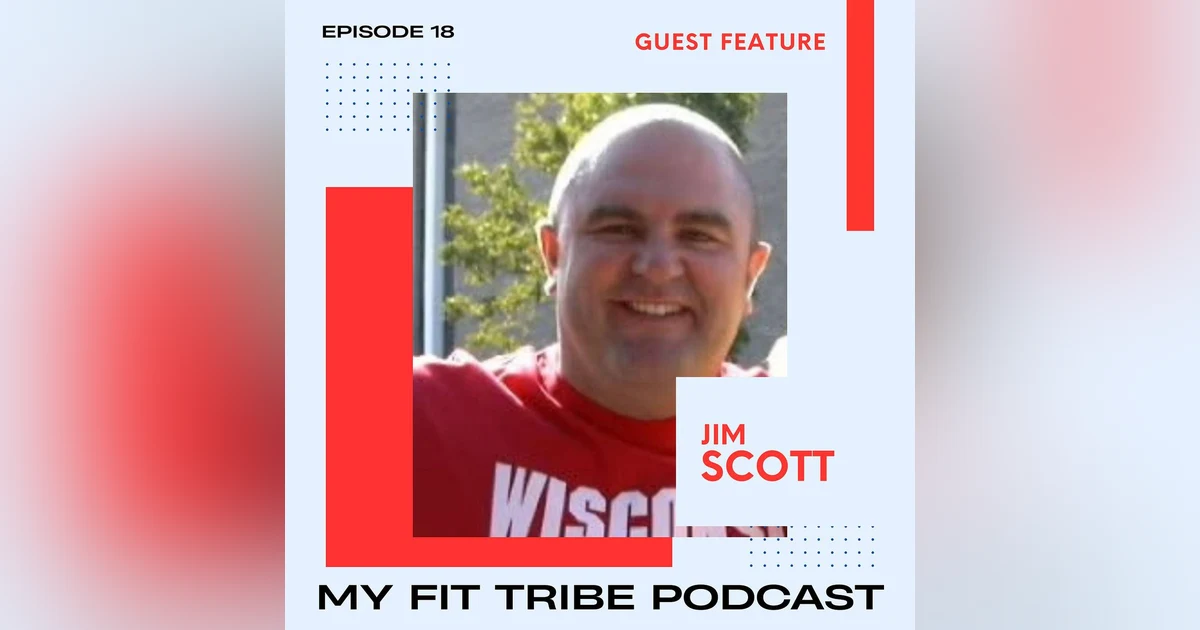


In today’s episode, we’re having a deeply important and heartfelt conversation with Jim Scott. We dive into the difficult topic of addiction—the effects it has on families, the importance of self-care, and how beautiful the journey of recovery can be once you come out on the other side.
This is a conversation that many shy away from Jim’s insight and openness about the realities of addiction and healing are truly powerful. I’m so grateful to share this episode with you!
Throughout my own life and fitness journey, I have had the privilege of meeting incredible people who've shared valuable insights on mindset, health, fitness, and spiritual growth. The profound impact of this knowledge on my own life has inspired me to share it with all of you. I'm Erica Sweeney, host and founder of My Fit Tribe Podcast. Join me as we explore inspiring conversations with experts, thought leaders, and everyday heroes who offer their stories and practical tips to help you on your own journey. From nutrition and fitness to mental well-being and personal or spiritual growth, our mission is to empower you to take charge of your health and live your best life. We are more than just a podcast, we are a community. Through coaching, a wealth of shared knowledge, and a strong support network, we are here to guide and encourage you every step of the way. Come be a part of our tribe. We dive into the difficult topic of addiction, the effect it has on families, the importance of self-care, and how beautiful the journey of recovery can be once you come out on the other side. This is a conversation that many shy away from. Jim's insight and openness about the realities of addiction and healing are truly powerful. I am so grateful to share this episode with you. Today I am joined by my friend Jim Scott. We are going to have a conversation about a topic that is difficult for many families. Um Jim, let's just start by talking about what life was like 10 years ago before you dealt with this issue.
SPEAKER_03Uh 10 years ago. So we had uh two very young kids, right? Uh daughter in high school, son in middle school, and living on the outside what everybody would see and be perceived as like the American dream, right? It was it was awesome. We I was uh five years into starting my own business, you know, got out of the golf industry, and things couldn't have been on the outside better, right? We had uh two high-achiev kids, uh one had to work very hard to get where she was at, and one who woke up in the morning and you know was like very blasé, but everything came easy to our son, and it was just you know, on top of the world on the outside, inside, you know, inside the square uh of the confines of the house, if you will, uh very private battle. Uh we hit it very, very well. Um, our son was dealing with uh I don't want to say peer pressures, but was dealing just uh pressures of being a young adolescent boy. And uh a type A personality father who uh I've done okay for ourselves, Sarah and I both have, um, but where there was no gray area, it was it was black and white, you know, and that's kind of how I I still kind of live our life, right? It's black or white, there's right or wrong, it's this is what we're gonna do. And I've been told by multiple people that sometimes I come off pretty crass, but I just I have zero room for you know, kind of the BS, if you will, right? And I'm not gonna tolerate it in my own home. Um so you know, as as we're progressing through this, um where it really kind of started with us is uh I was the uh president of a booster club for high school athletics. And one day I got a call from our athletic director, hey, come into the office, right? I'm at the high school. Okay, what's happening? You know, what's what's going on? And uh our son had been caught with a jewel in school, right? And that was really kind of I don't want to say the the start of the downward, but that was that was kind of the start of of everything for us, right? Um we held him to a standard, and literally, I want to say within five or six days, maybe a week later, right, we we caught him again. This time it was at home. And it was, hey, uh we're turning you in. Like, like you're gonna understand that you know there's again, it's black or white, it's right or wrong. You you've done this. We're we're gonna turn you in again. And that happened, right? So we turned him in. Um and then uh kind of I don't want to say secretly, but you know, this is my ignorance, and like even to this day stuff, you know, he'll share things with us now, um where where it comes out, and I'm just like I I had no idea like the level that he was you know progressing to. Um so we go through through go through the jewel issue, if you will, and then um as as it progresses, um not a big drinker, like me personally, right? Do do I drink? Yeah, sure, 100%, right? Um, but not a not a big drinker. My uh level of coping was with food, like a stress eat, right? Nonstop. Like two o'clock in the morning. Sometimes I would say uh sleep eat, right?
SPEAKER_01Yeah.
SPEAKER_03Oh you know, say I'd come down in the morning. Oh, you ate this last night? I'm like, eh, did I? Yeah, maybe I did, maybe I didn't, right? Um, and so that really uh was my uh mechanism of of coping with that. And it progressed for him, and you know, I'm gonna be a little foggy on on some of it. Uh his story to tell, you know, how his how his disease uh progressed. Um, but you know, it started out with weed, right? Uh take it or leave it, right? I I can see uh personally it's gonna sound like a double talk. Like I understand some of the benefits that people get from marijuana and CBD.
SPEAKER_01Right.
SPEAKER_03Not my thing, right? It's not my thing, but I but I understand how people uh get some benefit out of it.
SPEAKER_01Right.
SPEAKER_03Um and that was one of one of his that was one of his rationale of of of of using, right? It it it helped calm him down or it helped you know quiet some of the things that were going around in his orbit, which you know uh again, I understand, but not in my house, not my kid, you're like it's you know, there's absolutes, right? Right. Um, so things you know kind of progressed there, and I think it went to pills and what pills he was taking, you know, as uh sophomore, junior in high school, I couldn't tell you.
SPEAKER_01Right.
SPEAKER_03Like I really, I really couldn't tell you, but we would find the straws, the pens that were taken apart, right? Paraphernalia all over the place, and the you know, the first couple of times. And I'll I'll never forget one of my dear friends. Uh he's he's passed away now, but uh one of my dear friends was I see all these little like USB ports all around my kids' room. Like I like, what the hell? I'm like, they're jewels, they're they're they're they're jewel, you know, little pods and this, that, and the other. He's like, what? I'm like, you know, and then I went in.
SPEAKER_00I had those back in the day. Yeah, right.
SPEAKER_03And I'm just like, I find 10 of them a day. Yeah, like I and he, you know, he had no idea, right? And one of the things that really like I struggle with, right, for the longest time, I was angry, very angry, uh, about his use, not so much how it it looked on the periphery, because like I said earlier, Sarah and I like uh did a great job at hiding what was really going on. It was angry from the standpoint of not understanding what you like what he was you know facing or going through at that time growing up. Um and then angry that uh Sarah couldn't uh I shouldn't say couldn't, but um because it I think it's a two-way street.
SPEAKER_01Right.
SPEAKER_03There is uh you know someone said to me once that I can't be a marine all the time. Well what? Like it's it's in men's nature, right? As you know, the uh a male, like you're gonna fix this, right? Well then couple that with you know being you know a marine and a man and you're gonna fix this. And don't tell me I can't, because I I can.
SPEAKER_01Right.
SPEAKER_03Uh just give me some time to figure it out and I'll fix it. But I I I could not fix this. And uh it took me a long, long time to figure out that I couldn't fix it. Um and everybody, you know, and then you know, then you take uh my wife's side, where um, you know, she dealt with some pretty intense health issues growing up, and we weren't supposed to have kids, right? But we've got two awesome kids. They're they're awesome. I wouldn't, I wouldn't change where I sit today for anything in the world. Like it's it's awesome. It's it's a you know, we're on I want to say the other side, but we're you know doing way better than we we were doing, you know, three years ago, four years ago, right? Um but we were never on the same page. She had that maternal, I can nurture and it'll be okay, and I'll keep this from your dad, and I'll keep this from everything else, and it'll be okay. We'll this is a phase and and we'll get through it and blah blah blah. And um, that was another thing that was just really super hard for us because her and I were always butting heads, right? Being super maternal, it's okay to the iron fist.
SPEAKER_00Big difference.
SPEAKER_03Oh, huge, right? And that was a really uh sore subject between us for a long, long time. Um, and we tried different uh methodologies and different ways of of going through it. Um whether it was individual counseling with our son, uh individual counseling for Sarah, you know, she would see her own counselor, I would see my own counselor, right? It uh I I I know people um see value in that, right? I I personally it didn't resonate with me, I I didn't like it, wasn't my thing, right? Right, and and that's okay. Yeah, um you know, but then uh just as we were starting to get into like the the meat of it, COVID came. And you know, couple that with uh you know, being an adolescent hanging with people, this, that, and the other. Hey, we you can't go anywhere, you can't do anything. You're stuck in you know your bedroom, you're on school on a computer, you know, the whole ball of wax. That was you know, uh for I'm sure millions of kids, right? It was pretty devastating.
SPEAKER_00Oh, it was a mental health crisis.
SPEAKER_03Oh, for sure. And you know, I'm glad that you brought that up. That was one of the big things that uh was a huge source of frustration for us is getting him the right available uh tools that he needed to get through this, right? And I mean, this is gonna sound horrible. I don't mean it to sound horrible, but it's gonna sound horrible. But one of the things that I found out through this whole thing is you can't fix it until they're ready.
SPEAKER_00Right.
SPEAKER_03Right? Um he, in my opinion, right, just just my opinion, learn to play the game with his counselors. Uh you know, we looked at, you know, we looked at going to uh a different school district. We're in an interview at a private school over by Milwaukee, and you know, he sabotaged it, right? Because he knew what to say, because he didn't want to go, and blah blah blah. A little bit of rope here for me, um five five or six different rehabs he had been to.
SPEAKER_00Wow.
SPEAKER_03Right? Um and knew how to, you know, again play that, play that. I I don't want to, you know, I don't want to be disrespectful to him because he's really come a long way.
SPEAKER_01Yeah.
SPEAKER_03Right. Um, but kind of learned to play that game because I I'll never forget one time, you know, he had had had gone through a rehab, and uh we went and and picked him up, and you know, that brightness was in his eyes, and it was great. And five minutes after we got home, he was gone. Right, right back to it again, right? Like he just he he learned or knew how to you know play the game. Um but you know, back to what what you know the start of that was, that was where we really struggled with was trying to find him the right help to navigate what was going on. You know, every time that we would uh find a doctor or find a therapist or find a facility that, you know, um we thought, and that was one of the biggest things uh, you know, a source of uh tension for between our son and and my wife and I was you know, we aren't experts in this. We're flying blind. And to your point about it being a crisis, I even think to this day, uh whether it's a mental health or even uh a health-related issue, you know, on the on the lines of dependency and and use, it's utterly pathetic. It's just it's so bad. Uh I uh we often joked, you know, my wife and I and you know, some of our closer friends, uh that uh somebody could run for public office on just that alone. I can, you know, well let's let's fix this this portion of our country, right? Let's let's make this better. Um and to you know, your opening statement of how many families this affects silently.
SPEAKER_00So many.
SPEAKER_03Right. It's it's I mean, just I I think that someone could honestly do that. It's it's that bad.
SPEAKER_00It is.
SPEAKER_03Um, and that's not a slight on any professional that does that. Um, you know, they're they're pretty uh uh uh handcuffed, if you will, on on what they can and cannot do. One of the big shocking things for us was when we you know started to go through this with him, that uh in the state of Wisconsin it's like 12 years old that the child gets to dictate their care. I was floored. Like floored. No, no, no, no. This is this this, you know, at the time, I'm like, this child's 14 years old.
SPEAKER_00And a parent has no say.
SPEAKER_03None. None. And I'm just you know, and then you know, that was one of those other hey I I go ahead, right? Send me here. I'm over 12. I I don't have to go if I don't want to.
SPEAKER_00Wow.
SPEAKER_03Yeah. Yeah. So, you know, it it really progressed for him. I laugh, right? Uh in one of my work trucks, I want to say maybe just a little over a year ago, I found one of his uncut bars of Xanax in one of my work trucks. And I was just like what? Like it all of a sudden, you know, everything comes rushing back, and you're like, oh my gosh. Yeah. So he had, you know, he had a couple of overdoses um that, you know, it it progressed from weed to Xanax. You know, I I don't know where they were getting them, um, but they were getting, you know, uncut bars. I think that's what they call them, bars of Xanax, right? I've okay, whatever. I'll never forget one time uh him and one of his buddies were in the town that we live in. They were out uh at the what time what we thought, you know, was uh just being boys. It snowed. They're in a parking lot and they're doing donuts, right? Have fun. Who didn't do that, right? I did it in my parents' station wagon in a mall. I even if my mom or dad listens, but yeah. Whoops. That one's out of the bag. So, you know, uh, hey, we're stuck. Can you come get us out? Yeah, okay. You know, why are you guys being knuckleheads? Like, what are you like what are you doing? Like, seriously. And uh had no idea that they were um under the in the influences annex at that time, which uh we watched it with him in the parking lot at like 10:30 at night, somewhat coherent, right? Still had, and that was you know one of my big things. I had no idea when he was under the influence or not, right? I just I'll you know, I'll call myself an idiot on it, right? I zero idea. My wife says she always knew, right? Like she could tell. I I couldn't, no idea. So we're in this parking lot, and uh somewhat coherent, and then you just watched him, yeah, and he just crashed right then and there. Oh just done, right? And the ambulance came and took him, and you know, he ends up in the ER and in the hospital, and we get him to another uh facility, and it was just uh it was a non-stop roller coaster for years. So then we're gonna be, you know, I think when did we start? So we started what 15, 2015-ish, right? Yep, right? So that was like up to 2017, right? That all that had happened, you know, just nonstop coming, you know, and then our and then our our our daughter graduated high school in 2018, joined the Navy. We I I can joke about that because I'm not a navy guy, but you know, she joined the Navy, she's doing really well, right? It's awesome, she's doing great. And one of the one of the things where where things kind of started to get really bad was, you know, so that we're a family of four. Well, now somebody's off doing their young adult thing, which happens in every family. Now we're a family of three. And the microscope's there non-stop, right? Like it's we're just we're on him. It's all of the focus wasn't always on him when we're a family of four, right? But now all the focus is on him, yeah, right? And and what's going on there, and and with all of that. And uh, you know, so that was that was uh a pretty rough patch for us. The police department was at our house weekly, right? Um breaking up fights between him and I. You know, they would come into the house um and see the destruction of of of our house. Um when he was, you know, in The middle of, I don't want to call it an episode, but when he was, I don't even know if it's in between uses or or what. Like I re I'm so ignorant to it, right? But just it was, you know, in his I'll I'll say frustration of where he was, right? My frustration of where he was, Sarah's frustration of where we as a family were, right? Right. Um, it just really manifested itself. You know, he was arrested several times. Um and, you know, again, it falls back to, you know, the the broken, the brokenness of the system, right? I remember, you know, because this was this would have been in like 20, right, when COVID came. We were um on a Zoom, a Zoom call with a judge, right? And uh hired him attorneys, right? I mean at the end of the day, you don't want him to have a lifelong scar, right? Right, because we're that's what we are we do as parents, right? You know, we no matter what, at the end of the day, he he's still our son, and we we you know we don't want this to uh harm him long term being a 17-year-old child. I don't want to call him a kid, but you know, a child or you know, he's a young adult, right? Right. And I'll never forget uh one of the judges stopped the proceeding and screamed at all the attorneys. This mother and father are trying to get help for their son, and you guys have this is like the sixth time they've been in front of us, and here we are yet again. Like get this family some help. And he apologized up and down, but I'll just I'll I'll I'll never forget that you know finally someone is listening to us, right? Right, and then it it it didn't end well there, right? Ended up back at another facility, um but that's the game, you know, that they play, uh they being an addict, right? Yeah, right, and so right about that time and this is you know really it's it's uh it's painful to say I ended up moving out of the house. I just I I you know he wasn't quite 18 yet, but I just I couldn't be around him.
SPEAKER_01Yeah.
SPEAKER_03I just couldn't, right? I didn't want to to do that to my wife, but I just I couldn't be around his behaviors, right? Right. It's it's it was going it was going to end up really, really bad, right? For all of us. Yeah. Yeah. I you know, and I'm not saying, you know, murder or anything like that. But it was just it was it was going to end up bad.
SPEAKER_01Right.
SPEAKER_03Right. Um and in hindsight, in in my opinion, right, that was one of the things that uh I think saved our marriage, right? We just everybody had space. And it was it was almost to the day. Hey, when you're 18, you're out. Oh ha ha ha. No, no, no, no. It's your mother's house and my house. When you're 18, you're you're out, right? So, like a couple days before, a couple days after, you know, whatever that timeline is, he he ended up moving out on his own and moved back in. And you know, it's it's it was we were starting to get Sarah and I were starting to come together, like being on the same page, right? And that's that's when our relationship changed. It was awesome. Or you know, even today, it's it's awesome, right? Right. Uh, if you look at it from the standpoint of, you know, yeah, we have kids, it's it's great, but we met and fell in love and liked hanging out with each other before there were kids. Right. It was it was good, right? Or it's good now. Um, we were still dealing with uh you know a lot of a lot of our son's issues back then, you know, because then we had gotten him um a trip to the Betty Ford Center.
SPEAKER_01Wow.
SPEAKER_03Yeah, I should say we got him like, hey, you want a trip to Betty Ford? This is here you go, behind door number one. Uh we we had gotten him into uh the Betty Ford Center. Hazelton, you know, Hazelden Betty Ford.
unknownYep.
SPEAKER_03And uh thought that he really made some good strides there, right? And and we would go up and see him every, you know, I don't want to say every other week, but every couple of weeks we'd go up and see him, and you know, it was it was a good thing. And then he then he came back and was that the fifth time that he had been somewhere? I I you know I lose I lose track. Right. It's been a long yeah, it's been yeah. Um so he came back and relapsed again, yet again, right? And upped his game. Right? We're not we're not dealing with Xanax anymore, we're not dealing with uh, you know, weed or marijuana, whatever. Uh we're we're we're on to opiates now. And this is, you know, this is where like for me uh it becomes soul crushing.
SPEAKER_00Oh, absolutely.
SPEAKER_03Yeah, where you know, had no idea, you know, was kind of living with some co-workers or a co-worker, if you will, excuse me, who could have been old enough to be his father, right? Whatever. But really had no, like personally had really no idea of of where he was, you know, kind of at and going. Knew that, yeah, it wasn't a great situation for him, but you know what, you're an adult now, right? Right. And uh one of the hardest things for me was cutting ties with him, and that that was so hard. It it was, but I just um you know, everybody reaches their limit when they reach their limit, right? I can't tell my wife when to reach her limit, I can't tell my daughter when to reach her limit, you know, with behaviors. Um I I reached mine way before anybody else reached theirs, right? Right, and so um, you know, it kind of showed flashes of brilliance, I'll say, right? Oh, he's doing okay. Like it's it'll be okay. This is gonna be okay, it's not ideal, but this will be okay, yeah, right? Um and so yeah, no, it wasn't okay, right? Um, couple more overdoses there. Oh my god. Couple more, uh you know, and then you find out through uh EMS services, through the community, through you know, other agencies. I'm not gonna say what agencies this, that, or the other, but you know, I've come to have friends and this, that, and the other. And they were like, Yeah, we're over there quite a bit.
SPEAKER_01Oh my god.
SPEAKER_03With Narcan and everything else. Um, I I know I I think if if my memory is right, um I think he I he's he's been narcanned once, right? I know that he's had to narcand hit that roommate then several times. Like it was just this vicious cycle of of use. I want to say he was like up to like 25 pills a day. Oh my like I'm I'm I'm surprised he's alive. Like literally, I am I'm I'm so like a, I'm thankful, but b, I'm just shocked that he's alive, right? And it's just it's it's crazy to me. It really is just crazy to me. Even even now, that's really hard for me to comprehend. But it's it is what it is, right? Um, so that that kind of progressed that way for like two or three years.
SPEAKER_00That the stress. I cannot imagine the fear of getting a phone call.
SPEAKER_03I just it was the it was the phone call. It was uh every time we heard a siren, is this it? Is is is this it? Right? He'd go he'd be gone for a couple of days, we wouldn't hear from him, we'd hear sirens, we'd hop in the car. We you know, he lived kind of close proximity to you know, proximity to us. We would drive by, we drive by where he worked, make sure his car was there, right? Oh, you know how many times we've done that, yeah, right? And uh it's not sleeping at night, right? It's you know, kind of go to the nth degree here, but it's a degree that we went to keeping loaded weapons in the house because we don't know, you know, a couple of times through this whole ordeal, you random people would show up to the house, right? You know, does does he owe somebody? Right? Do do do they know where, you know, did he tell them our address? Like it's it's crazy, right? It's never thought in a million years that that's where we would be, but yet there we were.
SPEAKER_00Right.
SPEAKER_03And you know, my wife said something that still sticks with me for the longest time, even to this day, right? Um you break your arm, everybody comes over, right? You know, forgive me for saying this, but you have cancer, prayer chains, meal trains, people are mowing your yard. What what can we do for you? Right, right? Somebody dies in your family, like uh a spouse, a mom, a father, you know, God forbid a child, right? Everybody in the world, you know, is on social media and doing this, that, and the other. Help this, help that, help this. My son's an addict. Oh, ho ho, hey. Yeah. No, no, no, no, no, no, no, no. We we we don't talk about that. I I I don't want you associated with us. I don't want your child associated with my child. Even though some kids ran in that circle. Right, right. For whatever reason, it's the big taboo. Right. It's it's horrible, right? That that I don't want to say a stigma, but there's that stigma out there, right? What what what did what did what did the Scots do that was so wrong that their kid ended up this way?
unknownRight?
SPEAKER_03Like, oh, we don't want to hang, you know, we don't want to be with them because they're you know they're bad parents.
SPEAKER_00There's got to be something.
SPEAKER_03Right, right, right. What did they do or not do, right? Um and that that you know still resonates, especially with my wife for the for a long time. But and I will I will preface that by saying there are three to four really good friends that I that I have in our community, and there are three or four really good good friends, you know, that I have from the Marine Corps. They knew what was going on.
SPEAKER_00Yeah, they're by your side.
SPEAKER_03Yeah, thick or thin, right or wrong, doesn't matter. They let me vent, right? Uh they called me out on on stuff. No, no, no, that's not right. It this you're you you know, this is how it, you know, they kept everybody honest, right? But that that was really such a small, small group. It was it was crazy, you know. It was just again to our conversation, you know, prior of when you're looking for help, you can't get it.
SPEAKER_00Right.
SPEAKER_03Right. And when you go to look for help from uh your peers, your friends, your friends, your family, right? Yeah, right, uh and and that's not there, it it becomes a pretty lonely island.
SPEAKER_00Right, right. However, I'm gonna add again that most families are dealing with addiction. So why, you know, why if I get if you ask ten people, you've got eight people who have someone in their direct vicinity or their family that's dealt with it. I mean, it's so common.
SPEAKER_03Very common, right? I mean, if peel back the onion layer on any town USA, absolutely, right? And it's it's there, yeah. But yet we don't we don't want to talk about it, right? So okay, so let's go. It is now 22. He is over on the east side of the state in another facility, and uh seems to have his crap together. Like, this is awesome. Hey, this is great, right? Good for you. This is great. And he relapses. And uh, I'm gonna come home. No, bro, you're not. Sorry. Like this is this is the kind of the start of the journey of me finding myself and being happy again at that same time.
SPEAKER_00Yeah, which is hard to do. Important.
SPEAKER_03Yep, it's very important to do, right? So he went through uh a program and got discharged from the program and in his aftercare program because he had used, he was you know, discharged from that and he was homeless. I want to say around the Christmas time frame. Was it the winter time? Yeah, it was it was well, you know what? So Sarah and I again on the same page, right? You got to figure this out. You we have exhausted what we are able to do, right, within within our personal space. I'll I'll use that, our personal space. Yeah, right. I think that that was his his wake-up call for that, because uh he after he went through that I would say winter, uh maybe it was about a month and a half, maybe two months of being homeless, right? Again, uh embarrassing? No. No, it not embarrassing, you know, but it's it's it's uh a boundary, right? Boundaries.
SPEAKER_01Right.
SPEAKER_03They're very important. Uh uh it was a boundary that Sarah and I had that you can't come back. You you need to figure this out.
SPEAKER_01Right.
SPEAKER_03So, you know, Sarah ran over there a couple of times and you know, paid for a hotel room, got him, you know, did some laundry for him, got him some food, and but it was at a very, you know, arm's length. Right. Right, like arm's length. And I was a 10-mile length. Like I didn't go over. I just I had no, you know, I don't want to say I'd written him off, but I just I had no urge or or need for contact. I just because that was at the start of uh you know my journey to being happy again. So he went through uh another program, right? And and this is where uh things get really cool for him. Like really cool for him. Um goes through a program, does the I don't know if it was 60, 90, no, because he was, you know, I don't want to say so bad, but you know, he's he was bad, right? Right? I mean, I don't again, you're doing 25 pills of fentanyl a day, and you're not dead, right? Maybe even was 30. I don't know. It was it was a lot, it was enough where you're just insane, right? We had uh Narcan in the house, we still have it in the house, in you know, different rooms and what have you, right? Just in case, right? Right? Who has that? Like how you know, right? But that's the reality that that that families face now that you know these kids face. One of his running partners in high school, and when I say running partner, you know, uh kid that they hung out with, right? Were they tight? I don't know. Were they did they use together? Yes, they did, right? Ended up passing away. And I remember going to the funeral with him, and you know, that young man's father looks right at him and kind of grabs him by the ears and says, This is your wake-up call. Like you have to stop, and he didn't, right? So he's kind of in this last kind of go-round, if you will, and he goes through the the this program, and he found his support structure. And the support structure wasn't Sarah or I, right? Right? It was uh a group of a group of guys that came and interviewed him, and you know, it's it's a sober living community. I'm not gonna mention their names, right? But he he he found that tuning fork that you know resonates with him, and he's so you know, so proud of what he's accomplished so far, right? I I want to say he's like 14, 15 months sober now. Oh, that's so awesome. Yeah, right, right, like when he first moved back to the area, uh he called me, and I was just like, what? You know, okay, hello? And he was like, hey, you know, I I want to meet with you. I'm like, okay, you know, and uh he he's he's taking everything serious, so he he comes over and he meets, and you know, uh at this point in time, you know, there was no communication between us, this, that, or the other. Comes and apologizes. He's like, hey, I was a shithead. Like, well, I I'm a shithead too, right? Like, it's okay. Like, we are both we were swimming against each other, this, that, or the other. But today is is the day that that we're okay.
SPEAKER_01Yeah.
SPEAKER_03Right? Right. Thank you. We're not bringing it up. That stuff has it's happened in the past. What are we doing moving forward? Right. And um, you know, a couple days later he calls up, and I'm just I I answer the phone. I'm like, hey, I just I gotta tell you something. Uh six months ago, right? Year ago, whatever that was, I wouldn't have answered that phone call. Because I just didn't want to be sucked in. And that was, you know, and that's that's the hardest thing, I think, for a parent, uh, is once you get out of that cycle, I don't want to go back to it. Like I I I don't, right? I just don't.
SPEAKER_00Well, it's it's so destructive in every part of your life.
SPEAKER_03It's horrible. Yeah. Like it it that behavior, and I'm not gonna say his behavior, but I'll say the way that I reacted to that behavior almost cost me my marriage, right? It was it was it was bad. Um, but then you know, for him today, that kid's got it going on.
SPEAKER_00That's so awesome. That gives me goosebumps and tears.
SPEAKER_03Yeah, he's uh bought his own truck, bought his own Harley Davidson, he pays his bills, right? He he works for uh a local construction company, and out of the blue uh this fall, hey, I want to talk to you. Like, what do you mean you want to talk to me? Like, you know, and then I kind of revert back to, oh God, what like what shoe is dropping today, you know? And uh I want to come work for you. I I want to come and learn the business and what you do, and this, that, and the other, and be a part of what you're doing. And I was just, you know, a taken back because we've tried this once before and it never ended well, but you know, that was always in the middle of his use, right? Right. And uh so he's he's gonna come on board with us this year. Wow, and you know, two years. Ago, I've been like, nah, no, go to hell, right? It's not it's not gonna happen. It's I've worked too hard, we've we've done too much. The guys that are with me were around when you were in the middle of one of your worst times. I'll never forget that day, right? I was at uh one of our customers' houses and just getting ready. We're doing some some pretty intensive work in the back of his house. And like one o'clock in the afternoon, like one of my crew show up. Can't do it. Like it's it's him or us. Okay, uh, what's going on? I'll figure this out. Like, what's going on? And you know, and they kind of told me what it was. I'm like, all right, I'll I'll I'll take care of it. Like two hours later, another crew comes in. They're like, hey, we we can't do this. Like, what are you what are you doing? Right? And um, so that you know, I had to let them go that day. And it was just it was insane, but a wake-up call for everybody nonetheless. But now now, fast forward to you know, this couple months ago, we kind of brought them on as a part-time basis, right? And uh one of our long-term employees, I'm like, I'm gonna have them run with you. He's like, uh I'm like, I I notice a difference, right? Right? I notice a difference, but I also want your input and you know, one of our other guys that's a long-term, I'm like, I need your guys' input on this. I'm asking for it, actually.
SPEAKER_01Right.
SPEAKER_03Because if you guys, you're more important to me in a business scenario than my relationship with my son. And if you guys don't give this, you know, you know, a past muster, it's not gonna happen. And I'm okay, and I just need you guys to be honest. And you know, both of them were you know, we're like, he can come back here anytime. Like he's a different kid now, right? And I want to say a different kid, but a different kid. So, you know, where it kind of goes for me, right? Um along with you know, we kind of backtrack a little bit to that community support, if you will. Our high school head wrestling coach was looking for some help in his program. And two of my really close dearest friends brought my name up to him, right? Said, hey, Jim will help you. You gotta call him. Hey, Jim needs this. You gotta call him, right? And our the head coach and my relationship was very, very contentious for a lot of reasons and for a lot of years, right? If you you know, if you know the backstory there, a lot of it was you know hiding what was going on in our house, right? Wasn't I wasn't a pleasant guy to be around. There are still days, like even you know, that I'm not pleasant to be around. Everybody has bad days, right? But my bad days were horrifically bad days. Like I was a jerk times a million, right? So he called out of the blue. Hey, I need some help. You want to come help me? Sure. I can I can do that. Absolutely. Not sure what I bring to the table, but you know, whatever. Been around the sport a long time, this, that, and the other. And um so that really, yeah, that really got me focused, right? On on me. I was 335 pounds at that time.
SPEAKER_00Wow.
SPEAKER_03Right? Like a walking widowmaker, right?
SPEAKER_00Just unhealthy.
SPEAKER_03Walk up the steps and uh the old George, was it uh not George Jefferson, the Sanford and Son. I'm coming wheezy. You know what I mean? You always fake that heart attack. I'm coming wheezy. Here I come. Oh my God. Uh so I ended up hiring, uh, I don't know how I to the still to this day, I don't know how we got connected, but I I ended up hiring a personal trainer. And uh again, it was still during that COVID time frame, right? So everything was kind of online.
SPEAKER_00Remote, yeah.
SPEAKER_03Yeah, right.
SPEAKER_00Different.
SPEAKER_03It's different, right? I was in the military. I don't need this. Like, I don't I know what to do, right? I just let me correct you.
SPEAKER_00You thought you didn't need it.
SPEAKER_03No, I didn't need it. You know what I mean? I you're not you're not going to tell me what to do. Right. Right? For sure. Nope, not happening. Uh that was three years ago. I'm still with him today, right? To this very day, right? Uh it it's it's good. So where where I'm where I was at with going was that small, simple act from a high school wrestling coach who probably didn't want to make that call.
SPEAKER_00Right.
SPEAKER_03Right? Jim's an asshole. I don't want to be around him, but yet I'm gonna bring him on staff. That one simple phone call.
SPEAKER_00Changed your life.
SPEAKER_03It saved me.
SPEAKER_00Yeah.
SPEAKER_03I would run through a wall for that guy. And he's he's many years my junior. But he saved me because how can I, as a you know, 350-pound man tell these kids what to do and eat and how to sleep and work out, you know, practice what I'm preaching, right?
SPEAKER_00Right.
SPEAKER_03I want to say it's like 55, 60 pounds that I've kept off for awesome three years? Congratulations, that's awesome. It's awesome. And it's also it's really saved and helped my relationship with my wife.
SPEAKER_01Right.
SPEAKER_03Right? It's it's awesome. You know, we find ourselves. Well, who are you doing this for? Is there a girlfriend? Is there a boyfriend? Well, why are you why you're wearing that? You're wearing this, you're doing that, you're doing this. Right. No, no, no, baby. I uh I'm doing this for you.
SPEAKER_02Yeah, right.
SPEAKER_03Like this is I want you to. That's my man. Right? Or or that's my lady right there. Yeah, that's that's my lady. Yeah. So it's it's uh, you know, we have our relationship, I think, is better today than it was when we met in college. Yeah. Right? It's it's it's not without ups and downs, even to this day. Like I have bad days, she has bad days, the kids have bad days.
SPEAKER_00And we'll continue to.
SPEAKER_03Oh, 100%, right? Until we're not on this earth anymore, right? But we have come through it, right? Could that change tomorrow? 100%, right? Uh something could derail in anyone, any one of our four lives. That would that would derail everything, right? Right. But but to today, our son knows, our daughter knows, my wife knows, and I know that if something were to derail, we can start right back over. We don't have to write that person off. We can we can get them whatever help that that that person needs, whether it's me or Sarah or you know, our daughter or our son, we have found after I don't know how many years, right, that that that structure and that support to get all of us where we need to be. And you know, I know that there are families out there that that aren't as lucky, right? And it's it's a horrible, horrible thing. It it truly is. But what I would tell to people that that you know may listen to this or may be dealing with it, a it's worth the fight.
SPEAKER_00Absolutely.
SPEAKER_0310,000 percent. Even if Sarah and I, you know, weren't married today, you know, and we had that conversation, right? Uh no matter what, she'll always be in my life, I will always be in her life. We have two kids together, right? It's this is my this is my one shot at it, right? I didn't think I was gonna be married to begin with, right? I didn't think I was ever gonna have kids. It is always worth that fight. Don't get so frustrated when the system tells you no, because the system's going to tell you no, right? Um, hold each other accountable. Don't force, and this this is the biggest one that I will take away from this whole ordeal, right? Don't force your belief system or what you want to have happen on someone else in the family.
SPEAKER_00That's hard.
SPEAKER_03So hard. Like that was that was the out of all of it, that was the hardest thing for me. Because you wanted to fix it, wanted to fix it, right? What uh want to fix it. My house, my rules. I don't care what you say, Sarah. This is how it's going to be, right? It's everybody gets to where they're going to be able to process, deal, and move forward in their own pace.
SPEAKER_00Absolutely.
SPEAKER_03And you don't don't rush it, right? Case in point, here we are. When did we say we started this? 2014, 15, right? And it's 2025, and our son is 16 months sober, 15 months sober.
SPEAKER_00So proud of him. That's amazing.
SPEAKER_03Oh my gosh, right? Like um, we were at an event together not long ago, right?
SPEAKER_02Yep.
SPEAKER_03And he was there and and brought all of his circle of friends with, right? Who are great people.
SPEAKER_00Yes, absolutely. Right.
SPEAKER_03And there they were. And we sat and and had an absolute ball, and the kids, and they're not really kids, right? They're young adults. The the kids were having a blast.
SPEAKER_00Yeah.
SPEAKER_03Right. And it was cool.
SPEAKER_00So cool.
SPEAKER_03Yeah. To be able to be a invited to that, watch how they support each other, watch how they hold each other accountable, right? Um, it was pretty damn cool.
SPEAKER_00Just shows when you find your tribe how healing that can be.
SPEAKER_03Oh, you know? Right? He found his tribe.
SPEAKER_00Yeah.
SPEAKER_03Right? Like, he found his tribe. It was pretty cool.
SPEAKER_00So that's awesome.
SPEAKER_03Yeah.
SPEAKER_00I'm going to wrap up this conversation by asking you the two questions I ask all my guests. So I'm going to take you, Jim, today, is going to have a conversation with Jim of the past when this all started, when you found that jewel way back 2015, whatever it was. What would you say to him?
SPEAKER_03That's really loaded. With all of the heartache and pain and everything, I don't know if I would have changed anything. I would I would I would still hold that standard. The accountability. Right? Um what I also would say is value what your spouse has to say. You don't have to dismiss it. I dismissed it. Right? You don't have to dismiss it. Uh value value what what your spouse has to say. Because she may be coming, or he or she, whoever, right? Maybe coming from a a a different thought process than than what you are thinking.
SPEAKER_00Completely.
SPEAKER_03And you're so blinded by this is how it's going to be, right? I'm right, you're wrong. There's no other way but this way, if you if you just look at it objectively. You don't have to change your mind. You don't have to agree with it. Right. But just don't be dismissive. That would that's a that's a that would be my biggest thing on it.
SPEAKER_00So now you, Jim, today, is gonna talk to Jim of the future. So let's take 10, 20, 30, 30 years, 40 years, whatever you want. Let's see how old we live, right? So you're gonna have a conversation with your future self. What will you ask him, and what do you think he'll say back to you?
SPEAKER_03Was it worth it? And how are those grandkids? Right?
SPEAKER_00Right. And what's he gonna say?
SPEAKER_03He's gonna say it was all worth it. And the grandkids are awesome.
unknownI love it.
SPEAKER_03Not you know, not that I'm advocating for my kids to have children right now, but was it worth it? And yes, it was.
SPEAKER_00Yeah.
SPEAKER_03A thousand percent.
SPEAKER_00Amazing. I'm so glad you shared this story because there's so many families that are dealing with this, and I think it's about time that people start talking about it. I also think it's important that you shared um the way people tend to uh avoid the conversation. So if anybody who's listening knows someone who's going through this difficult time, I hope that they reach out and at least let them know that they're there. Thank you for joining me, Jim.
SPEAKER_03Thanks for having us. I appreciate it.
SPEAKER_00If you know someone who would enjoy this episode, please help support the show by sharing. Thanks for listening to My Fit Tribe Podcast. Tune in weekly for our latest episode for more health and wellness insights and inspiration. For more information, visit myfitribe.org. Please note that the opinions and comments presented here are those of the guests and do not necessarily constitute medical advice or the opinions of MyFit Tribe. Copyright 2025, all rights reserved. This podcast is a production of MyFitTribe LLC.