Cliff Beach- Side Hustle and Flow: Shape UP
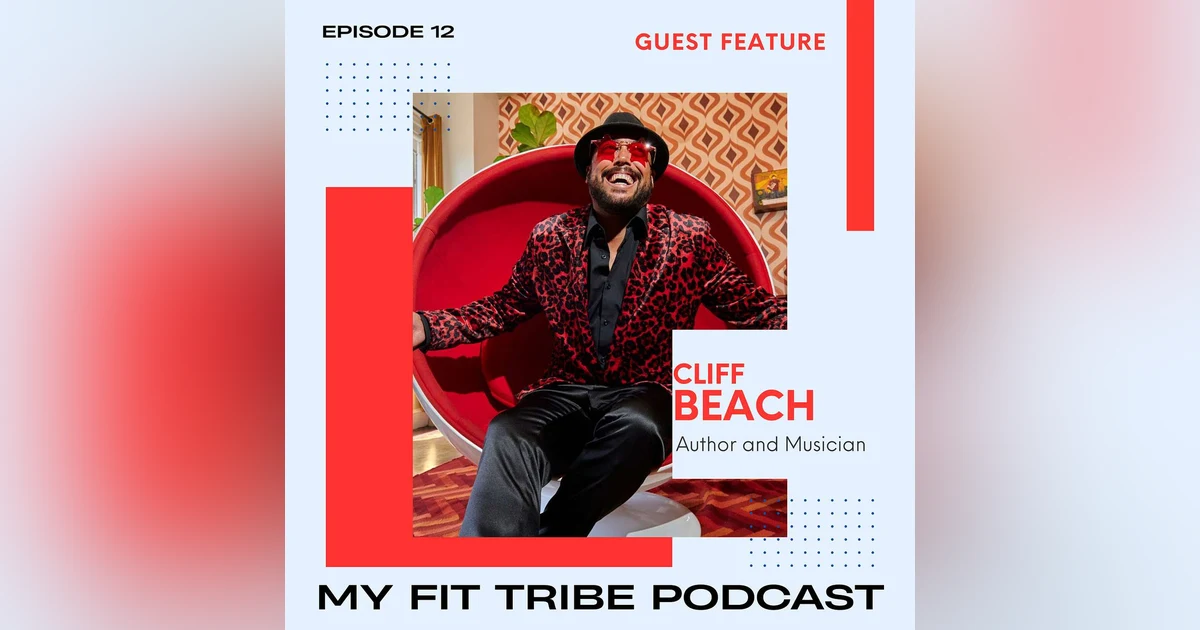


I’m excited to be joined by the incredibly accomplished Cliff Beach, a multi-talented musician, entrepreneur, and wellness advocate. Cliff has spent over 20 years performing in the world of funk, jazz, and soul, and is the host of the Deeper Grooves Podcast. He’s also the author of Side Hustle and Flow, where he chronicles his music journey, and Side Hustle and Flow: Shape Up, which focuses on his transformative wellness journey.
https://sidehustleandflow.net/shape-up
Throughout my own life and fitness journey, I have had the privilege of meeting incredible people who've shared valuable insights on mindset, health, fitness, and spiritual growth. The profound impact of this knowledge on my own life has inspired me to share it with all of you. I'm Erica Sweeney, host and founder of My Fit Five Podcast. Join me as we explore inspiring conversations with experts, thought leaders, and everyday heroes who offer their stories and practical tips to help you on your own journey. From nutrition and fitness to mental well-being and personal or spiritual growth, our mission is to empower you to take charge of your health and live your best life. We are more than just a podcast, we are a community. Through coaching, a wealth of shared knowledge, and a strong support network, we are here to guide and encourage you every step of the way. Come be a part of our tribe. In today's episode of my Fit Tribe Podcast, I'm excited to be joined by the incredibly accomplished Cliff Beach, a multi-talented musician, entrepreneur, and wellness advocate. Cliff is the author of Side Hustle and Flow Shape Up, which focuses on his transformative wellness journey. Today we'll talk about his transformation from his mindset shift to setting clear and actionable health goals, and how he took control of his health by becoming his own advocate. If you're looking to make a positive change in your own life, this episode is packed with inspiration and practical advice. So grab your headphones and make sure to subscribe, download, and follow the My Fit Try Podcast. Let's check it out. So today my guest is musician and author Cliff Beach. He is a funk jazz soul musician who has been performing for more than 20 years, currently residing in Los Angeles. First off, how is it in LA? How are you? Are you safe?
SPEAKER_01I am safe. I am safe. And uh the city is doing its best to heal and to get things done. But we are um we're able to pivot and adapt and and come together when we need to be. So that is nice to see, even in in some more oblique of circumstances. But uh fortunately, yes, I've been very safe so far.
SPEAKER_00Good. What a what a horrific situation it is out there. So I'm glad that everyone is okay. So you are the host of Deeper Groups Podcast. You have authored Side Hustle and Flow, which chronicled your music journey, and now you have authored Side Hustle and Flow Shape Up, which chronicled your wellness journey. When did that book come out?
SPEAKER_01Uh Side Hustle and Flow, uh the Shape Up audiobook is just coming out today. Today is the day. Um, but ideally, it's funny because I was telling one of my PR people, I was like, I wish I just called the book You're fat. You know, but you can't say that. But I wanted to get people's attention because uh in hustle culture, what I realized after making the first book, and I wasn't planning on making a second book so quickly, um, but I was on a health journey and a weight loss journey, and I lost over 50 pounds and reversed a lot of disease. But what I learned is that to be able to apply everything from the first book to ever to be able to hustle when you're healthier, then you have the stamina. You know, you don't realize it at the time. So for years, I look at pictures now. I'm like, I I didn't feel there was anything to do because I just felt normal. And then um, I realized, you know, you don't know how heavy you were until you feel what lack of gravity is, you know. And so I just encourage people now to go on whatever journey they are, to live your best life in the best way that you can do with better information. The worst thing I think anyone can do is try to use yesterday's information to solve tomorrow's problems. But just continue to get better and grow and uh you know, no judgment or anything like that. But yeah, I I wasn't planning on making this uh follow-up book, but I just realized like everything is a continuation. So as my journey continued past all the learnings I had from the first book, I always just want to regurgitate essentially that information back out. Because I'm like, well, why hoard all the great information? If I had a great stock tip, I would give it out and why not give this out.
SPEAKER_00And you do give a lot of great information. Let's back up a little bit. Let's tell us a little bit about uh about Cliff before this journey. So, what did your life look like before you started this wellness journey?
SPEAKER_01Depending on who you talk to, I feel like sometimes I always sound like a crazy person. I think to be able to have um anything that you do with with vigor and with stamina, I think is not for the faint of hearts. So whether it's weight loss or music or working and really climbing the ladder, it's like there's some people who want to become that 1%. They want to continually improve. And so, really, my whole life, I think the through line, even before the book, I always had this question of why is one person's life really, really great, really, really curated well, really just excelling in all cylinders in all areas, and this other person isn't. And there's so many studies of like you look at identical twins, one is fat and one is skinny. We have no idea why, because they have the exact same DNA, eating the same food, same environment, but there's like little anomalies that are different. And so, yeah, it always puzzled me. I was like, this person has the same skills and the same drive, but somehow they're doing something different. You know, the whole point of mentorship or listening to books or anything, I'm always trying to figure out what they are doing that works and how can I work that into my own plan, you know, and integrate it. Um, and so for all my life, I grew up in Washington, DC. I came from a family of musicians uh in terms of singers, lots of singers. I always tell people that um the movie Footloose, where they banned dancing, my family bans instruments. So everyone sings this really intricate a cappella music. So harmony, singing, joy, church. I grew up on a lot of that. All my family members are ministers except me and my mom. And I'd rather I'd rather sing from a stage than preach from a pulpit, but I see the the similarities of how you're able to transfer feeling between an audience, and you see a lot of that in all the things that I do. And I've always been a voracious reader, so I don't remember um like the bookmobile would come to school and you'd have all these stickers and I would just read and read and read because I love books. I remember a very pivotal moment where you know your mom um reads to you at night and eventually like it switched, you know, at three or four, she was like, You read to me. I started reading the books to her, and that was, you know, I just always have been kind of self-led and independent in that way. Uh, and so yeah, I just absorb whatever information I can, whether it's music or books or film or TV. I just have like a really spongy brain that just loves to know as much as I can know. So then when I left home, I I graduated early at 16, so crazy, and then uh went to Berkeley College of Music in Boston. I graduated from there at 19, so I wouldn't recommend it to anyone, but I always have this kind of accelerated life. So then I've been living in LA now the last 20 years and working on music, and that has taken me, you know, such a nonlinear path. So you go from, I want to be a great singer, um, and I want to try to do, you know, reality TV, and then I got dashed really quickly, and then I it made me angry, and then anger became the catus of like, I'm gonna start my own band, and I don't care what anybody says. No one, no one greenlights my dream, I green light my own dreams. And so that's what I've done creating my own record label and then making my foray into television and to podcasting and into radio and into books. And I definitely wasn't thinking about doing any of those things, but I think like as you just kind of expand your universe and have that kind of growth mindset and just keep showing up and saying yes, then the opportunities will appear and you will stretch and grow and and and pull your hair out. I don't have any at the top left, but we'll see. We'll see how the next years go.
SPEAKER_00So, what did your health look like when you were living this lifestyle of the the musicians? And I'm assuming you're playing at some clubs, and so what did you find during that journey that led you more unhealthy where you were like, wait a minute, I need to make a change?
SPEAKER_01Oh, so so many things. I mean, uh, I don't know if it's uh it's known, but musicians are not the healthiest people in terms of like what they eat and what they drink as a as a large group, because we're usually typically up late, we usually don't sleep a lot, uh, we usually eat late at night. Um, we usually, as Franklin Alter says, do whatever you need to get through the night, whatever advice that's gonna be. For me, it was um alcohol. So I drank very heavily. Uh back in the day, they used to call me a fit of jack and a 20-pack. I've been sober now for five years. Uh, and and and the clarity that you get from that is is amazing. And I think the beauty of it is that anytime you learn to cultivate a discipline, so I think cultivating the um ideas of delayed gratification with music, practicing, doing it, and persevering when it's difficult led me to eventually then say, okay, you know what, I have some health concerns, I'm going to stop drinking. No one told me that, um, but I just knew it for myself. And uh, there's a beautiful book, Mind Over Medicine, by Dr. Lisa Rankin. She had been sick a very long time, and she finally realized like work is stressing me out. I need to do something different. And the beauty of it is like she's like, you don't need a doctor, you don't need a guru. You can write the prescription for your own life. And that's what I did. I said, you know what? I'm gonna tell myself this is not serving you anymore. You need to let this go. And because you don't need this crutch anymore, you need to deal with what is bothering you or adopt different coping skills. And the same way I always tell people now, it's like you may have had something that served you well for the for 10, 20 years, but something has changed and now it's no longer serving you. So you have to constantly examine and reevaluate things in life, but you can't do it all at once. So five years ago, stopping drinking then led me to then tackle food. I don't think I would have been able to tackle them both together. But it's really about having a life of excess. It's really about just being able to deny yourself for a greater good. It doesn't mean that you can't have things that you want to a certain extent. There are some people who can drink and it's not a problem for them. There are some people who can eat, it's not a problem for them. But you just have to know for your body tech, for your shape, uh, what you should do. And then just, you know, from a business world, I worked in business the last 20 years. I run as vice president, a digital marketing firm, very complex systems and technologies and teams, but we're data-driven. And as a person, as a human being, if you're thinking of yourself as a business, in the first book, I call it You Inc., would you fire you? You know, if you worked for you, you know, if your body or what you're doing isn't working, like are you gonna fire that? Are you gonna cut that bad segment and do something different? And so, yeah, I think when you check in with yourself, like with the doctor and health, if you're going annually, then you have out of 365 one day to get information. But if you start weighing yourself like I did every day, 550 days in a row, streak in your app of writing down everything you ate, yeah, you'll see a phenomenal difference in how you live, just having more information and using that information to make the pivots as needed.
SPEAKER_00So I'm gonna unpack this a little bit. So you're living this life as a jazz musician and you're drinking a lot and you're smoking a lot, and then you say you just kind of made the decision to change. Now, you've obviously found a lot of success. You've had to work very hard to be as talented as you are in your musical career. What is it just the was it the desire just to be better that you decided to make a change, or was there a moment where you woke up and said, I don't want to feel this way anymore? Like what was the what did that moment look like when you've actually stopped drinking and said, I need to be healthier?
SPEAKER_01Well, I guess if we piggyback on earlier, when I said I had tried reality TV, so with American I got kicked off and then I got angry and I wanted to make a difference and start my own thing. In the same way, I got angry at myself, but also um with doctors and other stuff. I just realized through pain, um, whether it was taking a lot of pills that I didn't want to take or just not feeling well. I realized that um you can do something about it, or do as much as you can about it that you can. And so if you're not doing that, then what can you do? And who can you learn from? And and who do you need on your team to make that work? So hiring a dietitian helped me kind of speed that path along. But yeah, I would say it's from uh a little a mixture of anger and pain. I I think you know, when you find out something like you have type type type 2 diabetes for the most part, I had an anger of like you did this to yourself. Like I had morning signs way before. I had fatty liver before and had been sick. I just didn't do anything. It's a willful blindness, and so, but that's not gonna serve you just to be like beating yourself up. So I just had to recognize, like, okay, there's some patterns that you need to change. And then from there, it's like in a perfect world, you could eat what you want and not gain weight, but it's not a perfect world, and that doesn't work for me. Some people they have that metabolism, I didn't. And so I tell people I see people eating on TV and I gain weight, you know. Like I have to be careful of everything that I do. Um, and so when you work with a dietitian, they're like, you know, you can have whatever you want as long as what you want is on this list, and you need to want this. You need to change your wants to something else, just like with drinking. I went through a 12-step program, and I didn't necessarily need it, but I wanted to know what that process was like. And the main thing that I figured out in there that was not working for me, that I do differently, is people were always like, Well, you know, I'm so-and-so, and I have this issue. For me, I was like, no, no, no. It's not about that, it's about who you become. Like, I'm not thinking of it counting the days like I I haven't drank in 800 days. I'm a person who doesn't drink. And I'm not tempted by it anymore. I don't think about it. I don't live with that burden because I don't. It's like I never smoke cigarettes. I'm a person who will never smoke cigarettes. I just don't. It's like, and when you do that and you make that shift, and you're only going forward and you never look back, then then you've gotten over that hump. And and everybody can use the verbiage that works for them. And it's not like I'm saying one way the better or another, but for me, it's like it's all about the becoming. Even with music, it's about the becoming. Like music isn't what I do, it's who I am. I have to create, I have to get ideas out there because I will die if I don't. I will have this feeling, like I have to, I have to make this audiobook to get it out there because I have to give out information, I have to show people things that are working for me. It's just a part of my DNA and how I'm wired. And so I think on a health journey, it's just getting to know what works for you. I think one of the most beautiful statements someone ever told me about eating, and I apply to all aspects of life, they said, you have to love the foods that love you back. If it's not loving you back, you need to let it go. If that person isn't loving you back, you need to let it go. If that opportunity or whatever isn't loving back, let it go. Because you need to go towards the things that love you back, and they will give you that information. Not saying it's always that easy, but sometimes it's like this just isn't working. And you're beating your head against the same wall or you're climbing that ladder that's on the wrong side of the street. You just have to figure out like this isn't working. Let me move towards what is. And again, whatever it is, if it's loving you back, then go towards it. If it's not, move away.
SPEAKER_00I love so many things that you talk about in your book because it talks about uh things that you can apply towards your diet or your fitness. But like you mentioned, you can also apply that to all aspects of your life. And when you're talking about nutrition in your history, you talk about why are you eating? Are you bored? Are you stressed? You're really trying to find the source of what might be causing the unhealthy habits. Can you talk a little bit about that?
SPEAKER_01Well, you know, I think as a musician and a native English speaker, I think one of the downsides of English is we don't have the verbiage and the language that I see in other cultures and other societies. Uh so for instance, um, you know, we say we love everything. I love an anchor man. He's like, I love lamb. I love lamb. Like that's how we are. It's like I love everything, and there's no gradient variation. And so in Japanese, for instance, they have a word kuchi shabai ishi, which means I have a lonely mouth. I ate because I was bored. That's very specific. They also have things that are like you only eat until you're 80% full, you know, or the banquet is in the first bite. They just have concepts. So I started studying a lot of uh non-Western Eastern philosophies, why? Because a lot of blue zones, you know, we're based in Japan and Europe and other places. And when I lived in France, I learned like people eat differently. Something about how they can eat bread every day, or or in Asia they eat rice every day and they don't gain weight. There, but there are differences as like how much they're eating in the portion control and stuff like that. But I think language limits us in that way. So I think, and and also just a lack of self-awareness, not because of us trying to avoid it or even being willfully blind. I think what happens is that we don't realize in our society it's so complex. 50,000 impressions are coming at us every day when we open our eyes, marketing, this, this, this, jocking for our attention, social media, anything that keeps you distracted to a certain point allows you to be mindless and allows you to be controlled. That's why they say with mindfulness, when you're eating, you shouldn't eat in front of the TV because you'll eat more. You're not paying attention. And so it's really all about at the end of the day, just paying attention. And then whatever you decide, like if you want to have that chocolate cake, then that's fine. But the balance, the yin and the yang is gonna end up somewhere. Then you're not gonna be eating chocolate cake every day, all day, and and all the time. And so when it's a treat, then it's a treat. If it's a cheat, then it's a cheat. But you can't make a treat or a cheat become a day, become a lifestyle. And I think that's the thing with dieting that's problematic is that people think like, I can shift this. So again, talking about verbiage, only in humans we talk about diet as a short time change. But in the animal kingdom, their diet is what they naturally eat, what they're built and designed to eat that is seasonal based around where they are. And that's why people that are from other places in the world, they probably should be eating differently because their bodies were designed to eat what was there, and now we move food all around. It's not saying that you can't eat that way, but it's like there are reasons why we, you know, geographics and just human design. I think that you just have to kind of understand. We're still learning that the gut is the second brain and it actually thinks about what we eat. And they've learned through all these kind of technologies like when you swap this from this person to this person, this is what happens. There was like one thing I saw in a Netflix documentary where they were like, Well, this person did a fecal transplant, and like they started to get acne and they started to get depression from the other people. And you're like, that's ridiculous.
SPEAKER_00So crazy. I have followed that as well. It is fascinating. And then they could sell the fecal transplants from really famous people who've I'm like, that's just bizarre. Yeah. But you know, technology changes, you never know.
SPEAKER_01Yeah. And I'm not saying that everybody needs to do that, but I'm just saying, like, you know, it's something to think about. It's something to just like say, it was like for me and you, we all grew up on faulty information, the misinformation of the food pyramid. We all grew up on that. Like a schoolhouse rock, you need six to eleven servings of refined carbohydrates. That's just what they told us, and it's not correct. And then we find it was lobbied and bought, and no science was behind it. And so you just have to, as an adult, realize like, I may have known things that aren't correct. And you know, motivational uh speaker Zig Ziggler, he explains it in one of his talks, where he basically says, His wife, he would bring a ham home, she would always cut the end off. And he's like, Why do you cut the end of the ham off? He was like, I don't know, my mom always did it. So they call mom and they say, Mama, why did you cut the end of the ham off? He's like, I don't know, my mom did it. So they called grandma, and grandma, why did you cut the end of the ham off? She says, I don't know why you're doing it. I had a short roaster, you know. They were just passing this along, but the thing they did it for then was was not needed anymore. But they never checked it, they never examined it. And so it's just really saying, like, almost everything I've learned as a result, I've had to relearn, you know, because there's just so many things. The best of both worlds, the yin and the yang, I take what I can from the western and the eastern, and I mix them together. I chew the meat, I split out the bones, and I figure out for me specifically what works for me. I've never in any of my books or any of my music says do exactly what I did. Because you're not gonna get the exact same result, but the success does leave clue. So what's working, and you try it by trying to figure out if it works for you all. As technology changes, just try to stay um, you know, on pace.
SPEAKER_00Right. You provide a lot of resources for people reading your book as well when they're starting that nutrition journey. You talk about the apps you can use, you talk about books, you talk about again the motive the motivational quotes, which I love. But if if you're talking to someone today who is sitting there going, I need to be healthier, where do I start? What would your first piece of advice be? Other than get your book.
SPEAKER_01Yeah, yeah, yeah. Well, you know, I'll say it a few ways. So remember, I said in the beginning I wanted to call the book your fat. It's facetious and I and I make jokes about it. But essentially, like I tell people, I was like, it sounds rude in our culture, but I was like, if you go into a place and you see nothing but obese people eating there, that's probably not the place to eat. And it doesn't mean that you're judging them. I'm just telling you, like, if you eat with skinny pee bully, you'll notice a difference. It's just it's just a thing. You know, if everyone's at the salad place and everyone's big at the hamburger place, well, then maybe hamburgers is not for you. And you can trial and error and figure that out. So I think it's just observing that. You know, when you talked about what was the motivation besides the pain in my own life, it was the pain in my family tree. Seeing family members who had diabetes, people who never went to the doctor, people who went blind, got their foot cut off. I didn't want that. I did not want that. There's so many times where people are like, well, because of your ethnicity or your age, it's like I'm an old car. They just don't want to fix it after 40. And so I was like, I don't take this. Like I was dealing with a doctor. He was never gonna take me off medication. Even after I've lost the weight, even when the blood work came back different, he said to me, verbatim, one day we'll just have a vitamin with these medications, and their epic one will take them. I had to move to a different doctor because sometimes they just that's just what they know. I'm not faulting them, but I was like, there's a different way and the holistic approach. I'm like, why is this happening to me and what do I do? Like people don't even really tell you that you can reverse type 2 diabetes. They also don't have the verbiage of like which way the arrow is going. So they only have pre-diabetes. Now someone's trying to tamp in post-diabetes because when I'm moving back this way from it, I'm moving out of it. Like it's not, it doesn't even show up anymore. And so, but yeah, the pain of just seeing like other people, I tell people like, you can transcend your genes, you can transcend your family tree. It's like just because you have diabetes or whatever it is, do the best you can. Like you can't just say, Well, grandma had it and lost her flips, I'm just gonna eat cake and that's it. That's that's what's to come. That's not an overcome. And that wasn't for me. You can't be a victim and a victory at the same time. So I just tell people, like, whatever you are, the best that you can do today, start. But today is the day. Someday I will never happen. And the verbiage that you use, if you say I should lose weight, you won't. And I always know when someone's saying that. When I must, when I want it as bad as I want to breathe, I have to do it. And it's today, then it's done. When I decided to work with a dietitian, it was right after July 4th. I set the day July 5th, and I never looked back. And I had all the weight off and 50 pounds by November because I kept going forward, I kept having the check-ins. Having that accountability partner helped me because you don't want to be on there three weeks later and be like, I gained 10 pounds because I didn't do this. You know, it wasn't gonna be me that didn't hold up my end. Uh, but again, it's not for the fan of her. Some people will be like, you know, I think the one thing that I would say is like, do it, start. We've passed Quitter's Day. This is now restart day. But more importantly, it's about it can't be all or nothing. If you fail, like today I was supposed to go to the gym and I didn't, go later. Go tomorrow. But make it happen. Don't just say, well, the first time I failed and I missed the mark, I just did nothing. Because now you've like really slowed down. It's like if you had cake or you messed up or you ate that, it's all good. No judgment. Just get back on the wagon. If you were in 12 steps, you have that drink, get with your sponsor, get it together. But don't just keep drinking and drinking and drinking. Like that's not gonna serve anybody. And so that thing is like, and and listen, when you get the information, when you get the doctor, when the doctor says, Hey, you need to do something, take it seriously. First, you need to make sure that you're going in those checkouts, but take it seriously. Because years before, when they say, Hey, you have fatty liver, I could have looked into it more. The thing that they did though is that they're like, Well, just avoid these foods, don't do this. They weren't like, get to the root of it. This is why the liver does that. I didn't know for years later that if you put stuff into your body and your body doesn't know where to put it, your liver just says, I'll take it. You don't know that. And so then you're like, oh, diabetes is a pancreas. But it's an ecosystem. So liver issues then lead to the pancreas issues. Pancreas leads to gallbladder issues. It's like your body, just like when you stub your toe, you feel it everywhere. It's like the body is a system. You can't be like, Well, I have this thing in my pinky that I'm just not gonna deal with because the rest of the hands are okay. It's like, well, eventually it'll become a problem everywhere. Um, so you just have to be prepared when you hear that, but you have to hear the information where you're able to receive it. I think a lot of times within whatever we do, I'm in Toastmasters and we learn to effectively communicate. For years, people think that talking is communication, but that's not true. That's only half. Effective communication is sending and receiving a signal. Doctor says you have a problem, and then you say, What do I need to do about it? And you're having a diabol. I think what people actually think is conversation is really just two monologues that are switching. In the same way, people think that they multitask, but they're really just switching from single task quickly. It's not the same. And so you just have to take that information and take it seriously. Because five, ten years later, if you did it five, ten years before, you'll be better. But if you didn't, today's the day. Feel better than waiting another five, ten years. So just get at it and and and you're gonna fail and you're gonna make mistakes, but just fail forward, fair fast, fair often. Get get the information that you need and just keep it moving forward.
SPEAKER_00Yeah. And I love what you said about when you you are a musician, you don't drink. Like that's just part of who you are now. That's something I think we forget to commit to. We tend to dip our toe in the water a little bit and test things out and then pull it back out and go, oh, maybe not today. And I think it's really important to really connect that jumping all in with being that wholehearted, like that is who you are. That is your identity now. You need to feel comfortable in those new shoes and really step into that. I love that.
SPEAKER_01Yeah. And I think, you know, when I was studying for my MBA at Pepperdine, we had a person who came uh to teach about ethics. He had actually gone to jail for doing a Ponzi type scheme. And uh, very humble, very remorseful. But basically, what he said is the time to decide if you're an ethical person, the time to actually decide what your ethics are is long before the ethical dilemma comes to you. And that's for all aspects of life. The time to decide if you're gonna eat healthy is way before the cake is in your face. You have to know what you're gonna do and who you're becoming way before that.
SPEAKER_00Right. So, what made you go from starting your nutritional journey to actually hiring a dietitian and making that switch?
SPEAKER_01It was because, so basically, long story short, I was I was taking a couple pills for diabetes and high cholesterol, high blood pressure, and then I had to add, it's like after a certain time of taking medications, you you basically end up having to take medication more. So, uh what I didn't know, especially about metformin and diabetes, is that it actually isn't curing disease, it's just recycling the sugar out of your bloodstream into your urine and then back. So it's like you never actually get better, you don't lose weight, you just kind of just are spiraling. It's like keeping you from dying, but it's not helping you live any better. So um eventually they just kept telling me you need to lose weight, you need to lose weight, which is great. It's like anyone, I'm like Captain Obvious, of course, I get it, I need to lose weight. But they never said how, they didn't make a plan. And so I just went finally into my insurance and I'm just gonna get a diet or a dietitian, and I'm gonna get someone who tells me what I need to do. And I went to this person, her name is Gwen, and she's a registered dietitian, nutrition by Gwen, I think is her website, and basically she's 60 years old, black woman, has never been sick. I mean, no illness her whole life, right? No, she just hasn't been sick, you know, and it's because when you eat, the supplements you take, all of those things matter, and just the mindfulness of knowing what to do. But she was very empathetic, she understood the situation, and she knew how to check in, how often, and what to do. And we just kept refining and refining and tweaking it. But they they the doctors never even said, you know, hey, get a dietitian. It was just like it's like you just have to somehow figure it out for yourself. Like you have to tell yourself, oh, that's what I need to do. And that's because they I think it's because one, they're more about treat and street, right? Take the medication, go. But also, I think, I think for some doctors, like they did try to do it the holistic way, but so many people failed and just didn't do it or follow through that they just kind of gave up on giving that information out. And uh maybe I was just a little bit more proactive. Because I remember talking to that doctor, the nurses, another nurse, even getting my blood work now. Um the person who went through my latest blood work, they were like, I wish all my patients had that blood work. But my blood work was horrific before three years ago, and so it was like, yeah, you can do it, you can do it. And knowing other people, like as you go through the journey and you hear their stories, like on this and other podcasts and books, oh, they did it too. It's like, yeah, it can be done. Can be done if you really put a plan together and you just work the plan. And even if you get halfway there, it's still better than not getting anywhere. And so it's just like just start small. You're going down this hallway of doors, you open up each door, you don't know what's behind it, and you just kind of have to keep fumbling through. Believe me, there's many times where I did not, I did not do the best, you know, but I did my best for that day and I kept getting better. That's all that matters. You don't have to be great to start, but you have to start to become great.
SPEAKER_00And you don't have to be perfect. You can't, if you like you said, if you're gonna give up every time you're not perfect, you're not gonna succeed. It's really important to to advocate for your own health for yourself for sure.
SPEAKER_01Yeah.
SPEAKER_00So how much better do you feel now that you have made this, you've lost the weight? Are you off the medication now?
SPEAKER_01Yeah, I've been off the medication for a year, kept the weight off for a year. I had to buy all new clothes because I went from like an extra large lard to a smedium. Um, but you know what I love about music and I love about life, and I love about um when I'm doing yoga and chigang and other stuff is that everything is a practice. You know, you have a whole life to live. And there's no way that as a human being, you're not gonna be fallible and you're not gonna fail and you're not gonna do stuff that just doesn't make sense or it's counterintuitive. I mean, we do stuff all the time. But definitely I think I think understanding the emotions of it, I think for me, therapy and other things that I did to really control my emotions was very helpful. As a musician, you're very emotional. And even though I'm very rational, very logical, sometimes I can have like very little emotion. We're still emotional creatures. We still have empathy and other things. And so when you notice just patterns of like, oh, when um, because I think what happens now when I really dig back, because it's like when you're a kid and you're two years old and you're crying, and mom comes and says, Have a cookie. She's now taught you a Pablo dog response, you know, that now you're gonna have in life that you haven't realized. Oh, when work is stressful, I had a cookie. Oh, when I had a breakup, I had a cookie. You know, I mean, you you don't even think of it because it's been like 40 years now of doing this, and then finally I was like, Oh, I didn't I should have an apple, or I should have water, or I should go walking. You know, like I have to change that because that's what mom knew 40 years ago, and also that's what her mom did. And you know, she sometimes, like as a parent or whatever, you just don't want to deal with it. You just want to satiate quickly because they're crying. You know, you want it, you think it's helping them, but it's enabling them and it's teaching them a thing. Like all the parents who homeschooled the kids and taught them differently, all the parents who were like, you know, we're gonna eat healthier, we give them an apple, those kids were skinny. They they they lived differently. So when they became adults and had their kids, that's what they passed on. It doesn't mean that you fought anyone that didn't have that information, it's just it happens, but you don't realize it. So it's like therapy allows you to go back into the psyche, back to your formative year and figure stuff out like that. Because when you start to recognize that time, you're like, oh yeah, every time I cried, here's a lollipop, here's this, here's sugar, here's that. And now when you take it elimination out of your diet and put it back in, like for some time I was like, I had very little salt, very little sugar. It's like I can feel it. When I have a cookie, I it's like it's like a movie where you see like their eyes go black. Like I feel this birth of sugar. It's like even when I used to drink, it's like that. It's like I feel this intense, like, whoa, that was a lot because you don't have it as much. And then you savor it and love it more when you have it less, and you realize like you don't eat as much. Like a lot of times, I'm like, oh, why is this so overly sweet? Like, I could have gotten away with so much less, you know. And so it's just like those kind of things, but definitely like until someone told me that, they were like, Did your mom give you a cookie at two? I was like, Yeah, did she always give you a cookie when you got it? Yeah, oh, yeah, that makes sense. I cope with food. Interesting, and I never thought about it before.
SPEAKER_00Yeah, and going on autopilot, you know, you just you just react, you just do, you don't re you don't even realize it.
SPEAKER_01Yeah, but I mean I love not being able to take peels. I always had a hard time swallowing peels, so I always had to chew them and they're gross. And so I was like so happy to be done with doing it. And people think you make that up, but it's a real thing. It's like I can swallow anything, and then as soon as I put a peel on, somehow my body just like closes up. Right, and all of a sudden it's dissolving in your mouth, and you're like, ah, give me some of it. Yeah, like I shouldn't. It's like it feels like it's right there, right there. But then um, yes, yeah, it's just like and and I think now we've gotten to a uh other thing in the culture where like all these things get approved, and now people are taking like all these medications, like, oh, they're taking a sympathy or whatever. And I didn't want to do that. And a lot of people, when I lost the weight quickly, they thought like you just did some drastic thing. I was like, no, no, no. I want to do the natural thing. It's like, you know, I want to look good, not toxic surgery, because I don't want it to shift, you know, later on or have to get more maintenance done or whatever. I was like, I don't, I don't know what this is gonna do 10 years from now, and also just like things I've seen. I was like, uh just it always sounds okay, but then like somehow or later, it just you know, oh, when I did gain a little bit of fat here and there, it's all weird. I don't know, yeah. I just wanted it to be natural and and also like when you study people who have lived over a hundred and lived the longest and lived the healthiest, they didn't do any of that. And I was like, well, I want to do what they did. I want to be over a hundred. And that's why I was like, I actually drove from LA to Low Melinda. We have one, thankfully, one blue zone in the US, uh, 70 miles outside of LA in Low Melinda with the seven-day events, and they're mostly vegetarian, so that's why I still tell people I have meatless meals. I'm a flexitarian, but I don't eat meat all the time, and that's foreign to some people, but I was just like, you know, it's better for the environment. And also, your body doesn't need it. Sometimes I'd like I started the year with a water fast, 24 hours of just water only, no food. And I was like, you don't even feel it. Your body has so much energy reserves. Um, I didn't get hungry and it's and it's fine. And the time just passes and you get used to it. But it's like our ancestors, you know, the paleo period, they didn't eat all the time. They didn't, they able around and they ate what they could find, and they went days without eating it. So all of those things can be like part of your mix. For me, I definitely did a lot of intermittent fasting, and just pushing that window a little bit more gives your body time to heal. There's reasons why when you have fight or flight or fright, um, your body shuts down digestion. Digestion is very exhaustive for the body. And so when you eat like right before bed and go to sleep, you don't sleep well. If you don't sleep well, then you gain weight. If you're not digesting your food, then you gain weight. If you're eating the wrong thing super late at night, super heavy thing, then you gain weight. And so it's just kind of noticing, like, yeah, oh, I like the dietitian told me, she was like, You need to stop eating at seven and be asleep by ten. You need three hours to digest. You can't eat at 10 and then go to bed at one. Like it becomes problematic. And so it was just like, you know, I didn't know those things. You'd think that we would assume we know them, but there was this like a lot of really common sense things once she told me they were easy shifts. And I I tell people all the time, it's like, yeah, you you gotta stop eating. Like, and if you are like, you know, there's some little late nice snacks and stuff, or depending on your calories and stuff, what you've done. It's it's okay here and there. But it's like, you know, if you're doing it right, you're not gonna be hungry. You're not gonna be hungry again. Like if you had if you led with protein, if you led with really like carbs that take longer to digest and the and less processed foods and stuff like that. And definitely when you start to look at like your calories, so I had to cut, you know, well, tracking it helps because tracking it made me realize I thought I was doing the standard American diet, which the acronym is SATS, by the way. But more importantly, it's uh people think they're doing 2,000 calories, they're really doing 4,000. And that's what trackability allows you to do. Like, oh, that's how much that is? Like if you get a big mess, oh, that's a thousand calories. I go to in and out, that's 1,500 calories. Yeah, that's my whole day of calories. And I love it because the discipline was like, well, if you eat wrong and you put it in here and now you only eat one meal and it's done, now you stopped eating the rest of the day. Yeah, I hope you I hope you loved your choice that much. So that's what I learned.
SPEAKER_00We have a we have an earlier podcast that talks about county macros. Because the only my first exposure to county macros was when I decided to compete in bodybuilding. And that like I said in that podcast, uh, my extent of counting food was how many handfuls of food I'm shoving in my mouth. You know, I had no idea what it meant, what it was for. And when I started tracking, I went, oh wow, that has how many grams of fat, how many egg yolks am I eating? You know, just what I thought was healthy was not. And based on what type of diet or what your goals are, it really helps to be able to identify what you're actually putting into your body, really hold you accountable for sure.
SPEAKER_01Yeah, and because you're bodybuilding, like you know, you are getting cardio, you are weightlifting, and there's like a balance, you know. Like if I look at what The Rock is eating, you know, Dwayne Johnson, that's a whole different thing. But he's very diligent in doing it for a specific reason. It's like, but if I'm eating like a bodybuilder, but I'm not bodybuilding, well, that's not gonna work because you can't out-exercise your eating. You know, it's like eating is like 90% of the battle for sure.
SPEAKER_00So let's talk a little bit about your fitness.
SPEAKER_01Uh yeah, so um I do a mix of a bunch of different things. I wanted to do low impact, so I was always doing 10,000 steps a day. And at at the gust of wind, I've done over 30,000, 35,000 a day, which is crazy. Just pretty much walking all the time. Um, but I do at minimum at least 10,000. Uh, try to aim for 15 a day. And then, and I and I haven't missed a day in the last year and a half, two years, however long I've been on that path. And then um I do qigong and tai qi uh two to three times a week. And then I also a member of a gym. So a couple times a week I'll go and do some weightlifting uh circuit training there. And when I can't do that, then I have weights and do some stuff at home. I've had great success with uh with Beach Body, and I did a whole year of P90, P90X, P90X2, P90X3, Tony Horton, and um I loved him because he would always say, Do your best, forget the rest. And I just remembered that because there were so many times. I had to do it. I'm such a vain person, but I had to do it at home for a long time because I I I need to do my things like that where nobody sees it, because it's just it's not pretty. I wasn't ready to be in the gym because there were no big people in the gym like me when I wanted to go, so I got skinnier and then eventually went. But I think you can go at any time. I'm I'm just more of um for something that I just prefer to do solo than whatever. But but I've loved it. I've been trying other stuff, acupuncture, just uh just all kinds of wellness, chiropractor stuff. Like, you don't think that that's part of like the equation, but it's like, oh, you sit at a desk all day, you're sedentary, so walking around helps. Also, when you walk, like walking after every meal a little bit is helpful than just like sitting down, and it just kind of gets you out there. Like yesterday, for instance, I had already done my 10,000 steps, and then I finished a lot of meetings, and I was like, actually like walking again. I did another 10,000. And it's like I used to just be like, well, let me just sit and watch TV or read or whatever. I was like, no, I like I like taking my books on the road and being at motion. You know, I have a cousin that's over 80, and um and we saw her, and she's like, What's the secret? And she's like, just keep it moving. And everybody that sees that when you're using your body, when they're gardening, when you're listening or whatever, it's like keeping you useful keeps you useful. Whatever that means, your mind, your body, all that. And that's what I try to incorporate. I try to do it where it's like something that I can do, and that if I don't make the gym, I can still do it. Um, if I'm vacationing or whatever, I can just fit it in where I get it in as long as I get it in within that 24 hour period. And that's what I do with music and other stuff too. I'm always like, I just need to do one thing that moves the needle forward just a little bit every day. That's it.
SPEAKER_00And when you get used to doing it, I mean, when I have a rest day, then that's just for me, it's just riding the bike or walking on the treadmill a little bit more uh calm. But when I don't have that time at the gym, it I do not start off my day as sharp or as focused for sure. And I love in the book where you say you were at 7,000 steps. And then when you hit 7,000, then you went to 8,000. Like you kept increasing to give yourself more. You didn't just hit a plateau and just stop and say, okay, I'm at 7,000 steps, I'm done. Like that's very important to point out too. You can keep moving that goalpost.
SPEAKER_01Yeah, I learned that from uh I don't remember his name right now, but in the first book, I interviewed a guy who did a TED talk about confidence, and he ran at Ryerson in Canada a track and field team. And basically what he was saying is that people naturally hover at the minimum. And what he meant by that, he's like, I want everyone to run a mile in under five minutes. So, like, we set the goal at five minutes. He was like, 99% of the people hit five minutes. And so then when he was like, I'm gonna move it to 445, then 99% of people hit 445. Now I'm gonna move it now to 430. Now 99% of them to 430. Now, why didn't people who were doing five just automatically do 430? They didn't, because people only do what's required of them. So you have to constantly be pushing it up. Like, oh, that was that's where I need to be and where I was, but now 7,000 is easy. I need to move to 8. I need to move to 9. I need to move to 10. So from a spiritual perspective, I'm Christian, and we have this thing that says God moves you from glory to glory to glory. You're not meant to stay at the same level forever. That's why video games progress you from Levi. Mario can't just be on the same world the rest of his life. He needs to keep going. Because the princess is another path. So keep moving that forward for yourself.
SPEAKER_00Right. I say that too. It's not just about those goals that you set for yourself, but it's it's those things that happen in your life where you sit back and go, that was tough, but I learned something from it, which got me to the next level, which is gonna give me the strength and the knowledge to be able to get through whatever's coming at me next. Definitely. So it really kind of works hand in hand to really embrace all of it for sure.
SPEAKER_01Yeah, and it's like when you look at it from a business perspective. I was looking into Amazon. Amazon is like a juggernaut now. We all know it. When it started in the beginning, they're like, we only want to do books, and seven years they never made a profit. And eventually someone came to Jeff Bezos and said, What do you think about selling my thing that's not books? So it's like, you know, they could have been just killing books and disrupt that industry and be done, but no. They became now what they became is now because they kept changing what they did. And so you just keep moving the goalposts forward. We nailed it in bush. What's the next moment to conquer? What's the next window to conquer? What's the next thing to conquer? And then you'll just get bigger and bigger and better because of that. It doesn't mean that everything you do is going to be great. I'm sure they did tons of stuff that didn't work, but you learn what doesn't work. When Edison was making 10,000 experiments to make the life ball, he was like, I didn't have 10,000 failures. I had 10,000 things I learned not to do to get us to where we're going.
unknownRight.
SPEAKER_00And part of what you talk about in your book too is journaling so that you can put pen to paper and see what's going on. Can you talk a little bit about that?
SPEAKER_01There's a lot of different journaling that I do. I have a kind of gratitude journal on nights because sometimes you really bull, at least for me, you really bulldoze through your wins. And so you don't, those little micro wins, like, oh, you know, I had an opportunity to have ice cream, but I had yogurt instead, or I had an apple instead. Like those little wins are important. But also, um, when I was doing how El Ros the Miracle Morning, I think that's why I like doing qigong or I chi at 8 a.m. before I start my 9 a.m. calls and stuff. It's nice to have the intention. I think there's attention and intention and then no tension, right? And so, like what you're focusing on and then having the intention and setting the intention and then not being stressed about it. I think that's like the the triangle that I like to build. But for me, in terms of journaling, yeah, writing down everything that I ate, but also having a food journal, you know, like, oh, when I ate this, this is how I felt. Because that's important. That's how people learn about food sensitivities or allergies or just things that aren't working. Like you may not have an allergy, but you could build one over time, or like just too much of any good thing can become a bad thing. And so the journal really helps you, um, especially when you're meeting with a dietitian, like it gives you information because you forgive. You forget so much of what you read and what you listen to and what you do that having that and going back to it helps. And so I think um there was a book that I was reading, the Daniel Plan, and they had a way to journal. It was always like, What did I do well, and what do I want to do tomorrow differently? So every day I was always thinking, like, what do I what was great? Awesome, that's gratitude. And then what didn't work and what do I want to change about that later? Because as a business, you always do that. You're like, what's working well? What isn't working, and like what do we want to change? And so if you start thinking about that, then you are always constantly improving because you're always thinking about it. And if you live in the fallacy that you've done everything right and not change, then that won't work forever. Because you're always gonna have something that just isn't working, or like I said, something that was working for a long time and something shifts. Like my mom is going through menopause right now. Your body changes, you get a certain age, and boom, you start to get all these things, you're like, what is happening to me? And she was in a herbal shop with a bunch of other women, everyone was complaining, like it sucks. And I I don't know, I never lived that. But it was like, Yeah, you know, when when I you know, at 20, you might be able to live in college and eat ramen and a bag of Oreos and never gain weight. And at 40, you you can't, you know. It's just and it's not that you're doing anything, it's just like, yeah, 20 years, I was blessed to have an amazing metabolism. That's why you see people like all of a sudden they were skinny their whole life, and then boom, you know, it's like, well, yeah, something shifted that you, if you had awareness, you would see that. That's the other thing is that you don't lose, you don't gain 50 pounds in a day, you don't lose it in a day, and people don't realize like you are slowly inching up. So it's like when you're at the doctor and they're like, hey, just letting you know, you gained six pounds within this serious, like you need to notice that. Oh, another six pounds. Like with diabetes, it's like, oh, I I probably had markers for before pre-diabetes if they ran different tasks and then they're like, Oh, your sugar is constantly going up. Like, you're not at a dangerous level, but every year it's creeping slowly up and up and up, and that's just not great. These are the things you want to think about now. Because it's like I could have been had way less weight, way less stress on my body, and and and made different changes probably 10-15 years before, if I had done that. But like, it's like you don't have to cut everything out, but just you know, moderation, figuring out that balance. And I used to always say balance, and then finally someone was like, it's not balance, it's integration, it's how everything works together as an ecosystem for you. And it's kind of a balance, but it's a little bit more intuitive because it's like balance is not like a scale, it's like it's a yin-yang, but it's like constantly flowing and moving. It's not exactly the same at any given moment. It as it flows, because we're just more complex than that. But it's the integration of it. So it's like how you work with your doctor and your nutritionist and your uh your your coach, your life coach, your personal coach, your spiritual advisor. It's like the whole wheel of life is gonna come together. But at the same time, Pima Shadrone, uh, the Buddhist monk, she had one of these books about failing, and she was like, life is like a bowl, and you have all these frogs. And she was like, You get about three frogs in there at a time, but some frogs are gonna hop out. You know, you you gotta be you gotta be prepared. So, you know, if you get three in there, that's a good thing. You know, you got the gym, you got the eating, you got one good gratitude, that's good. You're not gonna get eight frogs in there. She was like, the only way to do that is to anesthetize them. But then they're no longer frogs, they're no longer jumping, they're no longer happy. So she's like, you gotta know that life's gonna add and flow. So, wheel of life, you might get romantic life, family, children, that all going, but then health and other stuff goes. That's why you're like, how's that person like killing it in business? But their health up, you know, it's like because the wheel of life is like you gotta look at like what's going well. These are all tens. Oh, maybe I need to work on some weaknesses. Maybe it's time, you know. Like I stopped drinking and that became a 10. Now I gotta start working on food, you know, that kind of thing. Now I gotta start working on exercise. So it's a balance, but like for me, it's always like when you're juggling balls. Like I used to be like, hustle, hustle, hustle, work, work, work. But now I'm like, no, no, no. If any ball is gonna drop, drop that because health is like the worst of them that drop. And I think that's usually first, but it's like it's like being on an airplane. You have to put your mask on first. You become a liability to the entire world and yourself, and you become incapacitated. So it's up to you. Only you can prevent for only you can prevent that from happening in your life.
SPEAKER_00Right, right. One of my favorite quotes from your book is when you talk about the crazen, because I know you don't like raisins. But you talk about attaching that to an action, like with your mindset. Can you talk a little bit? That's I love that. Can you talk a little bit about that?
SPEAKER_01Yeah, I mean, there's a there's a raisin meditation that helps you with mindfulness and stuff like that. But I think for me, it was more of learning about yourself. And when you're building a diet plan, an action plan, you have to do what works for you. So if my dietitian put nothing but raisins on there, like I would not follow through on that. That's why she purposely showed me a list of things you can eat, but it was up to me to have intention and decide what was under. Like I tell people, like, if you don't like sardines, don't put it on the list. Like this, you because you're gonna because it's gonna give you a negative response when you do it enough and hate it that much that you just give up on everything. It's gonna throw out the baby with the bath water and you don't want that. Just build it and and the things you like. Because it doesn't mean just because you're using variety and learning different things, you're gonna love everything. There's some things you just don't have a taste for. It's very subjective, but then you try it, but then also have the mindfulness that your taste books are changing every so often, so you may need to retry it, or someone may prepare it differently, or you have it in a totally different new way, and so it's up there. But it's like, yeah, it's you know, I know the craziness work and I know the races don't. And sometimes I have karates or other things, but it's like it's all good. Just do what works for you, trial and error, and keep that journal because you're like, hey, I love these things, these are working, these things did not work, these things, you know, there's there's there's yes, there's maybe and no. And if it's no, it's okay. But you can't have too many no's, like you can't just be like, okay, everything's about to know this, because then you're you're being a little too subjective. You know, it's like okay, there's a balance there, but ultimately it's like, yeah, pick the things that work for you and and get out of your comfort zone, you know, go try stuff. I tell people like go to a restaurant, have something, learn it, go home, recreate it. You know, then you don't always have to go to a restaurant, you have options, and you're definitely more economical. And cooking your own food allows you to know exactly what went in there, right? And also it's more communal when you're doing it together, but even by yourself, it gives you a connection to your food. When I'm chopping carrots or whatever it is, I feel differently than if I just go and get it, you know, because it just requires less work. But there's a balance. Like there's some there was a guy who was working with clients for fitness, and he was like a very staunch, you have to cook everything. And then finally he had a client who was like, I'm just hours out. I just can't. I'm out, I'm never home, I'm always out. So they built this plan for that. And then there was a whole segment for his business that he was able to now curate for clients who had that. Because you can't do a one-size-fits-all. Not everybody's gonna want to be at home, not everybody has that way to cook or wants to cook or energy. It's like, you know, I have a maze. You will never see me cleaning my house because I hate it that much. It was like, don't do that to yourself, don't set yourself up for failure, but like, I just absolutely hate it. Like, don't go to the gym. If that's not the way you want to exercise, then go salsa dance. Go do something that you enjoy. Because the more you enjoy it, then the more you'll do it. It's not supposed to be a chore of feel like work. It needs to have some element of fun and some element of grind, but again, the balance. But if you absolutely hate it, just find something else, an alternative, a substitute.
SPEAKER_00Right. And you said the mindset is so important. And I love again, the journaling is important. And the you mentioned taking the before picture, how important that is to be able to see your progress. I mean, so many tips in your book that really just give people a lot of information on not only how to start their journey, just all the emotions behind it, because sometimes that nutrition and fitness just seems so that's the word I'm looking for. Just it's not emotional. It doesn't feel emotional. It's just things to do with that task list. And it can be very overwhelming when you when you don't have a specific goal. You talk about that as well. When you just say, I want to lose weight, I want to be healthier. Well, how are you gonna get that? What does that look like? So you really offer a lot of really great tips for people in reading your book. I really appreciate you sharing it with us.
SPEAKER_01No problem. Yeah, I think mindset, I started the first book with mindset, I start this one with mindset. It's just the mind's very powerful. I always explain to people about we know about the placebo effects. And then years later I learned about the nocebo effects, the opposite. But basically, if your mind thinks it's gonna help you, then it will. If your mind thinks it won't, then it won't. If you think you can, you can. If you think you can, you can't. And you're both right. And so the mind, like when I decided, hey, I want to lose 50 pounds, I believe this works with a dietitian, I believe the plan will work. I never looked back, and then the pounds have melted off. And it was like, well, I was already doing 10,000 steps for years before that, and I just wasn't losing weight. And it wasn't like I did a major shifts, I made some, but I could have. But it was just the beliefs that I could.
SPEAKER_02Right.
SPEAKER_01And visualizing in my mind me being skinnier and knowing I had done it before. It's like when you've seen people, they made a million dollars, they lost it all, and then they built it again. It's like, well, now you know the way. When you know the way, you know what doing. I think that's the hard part. I think with diet, exercise, everything else, I knew. I know like the gist of what I need to do. I wasn't doing it, but I I knew it. Like I knew the intuitive, like I knew what was better than that. And it's just the consistency of doing it. Right. And just saying, like, nope, this is who I am now. This is what I do. It's a lifestyle. That's why I never say diet. I always say no, that's a lifestyle. That's why, even when I lost the weight and wrapped up with the dietitians, you know, we didn't have to have the calls anymore. I kept tracking. I still track, I still weigh myself, you know, multiple times a week. They said I could stop, but I was like, no, when you don't keep that accountability for me, then you fall. It's like I have to stick with it. It's a lifestyle, and it's just, I don't, no one's telling me I have to, but I'm saying I have to. Because that's how I'm wired. I'm not a person that lives like in the aloof. It's like I have a calendar, I know what's happening, I plan an advance. I set it and forget it because that makes it easier for me. It makes it easier for me to make less mistakes because I'm always doing it in the same sequence. You know, I set up the day and how I do everything in the same way. And so I think, you know, I think staying on top of it the best way you can. And there are tools, you know, the app, like I wouldn't be able to tell you the calories and everything. They've they've done that. They take the guesswork out for you. Um, and and they cost, but I think that's the beauty of it. Like when I was doing the free one, and then I kicked up to the premium and paying 100 a year. Well, yeah, I was like, I'm gonna use this, I'm not gonna pay for this. I have a gym membership, I'm gonna go at least once a week, you know, because I need to pay for that. And so I think there's there's a level of having skin in the game. Also, I think doing it with people, whenever you walk with someone, you walk exponentially further because you're talking, you're enjoying it, and it's just different, you know. And so we can go fast, faster alone, but further together. And so that's why I think challenge groups, uh, you know, Facebook challenges, getting in there to saying, hey, this is working for me, this is not working for me. Just seeing different people. So many times you see everything from this this one vantage point. Like sometimes, whenever I'm writing songs with women or doing exercise programs with women, I just see a whole perspective. Even talking to my mom, like it's so beautiful. I never would have thought of it that way. Even having a full team on my team of a lot of women, sometimes like, no, let's do this, have to do that. And then I'm like, that's a very man authoritative approach, you know, but you don't notice it. And then you're like, yeah, you know, they're they're needed to be there because you can't have all me, you can't have all you. We need the diversity of everybody, right? And uh the more people you put on it and and the more the better. But the more opportunities you have to do whatever it is, the better you'll get. So, like when you look at people, they're like, hey, I want half the classroom to make one really great artwork, and I want you other half to make 10 really great artworks. Well, the people who make 10, exponentially the 10th one is better than the people who did one because every time you make something is better. I made 10 albums in 10 years from 2013 to 2022, and now two years after that, with two more albums, like every album gets better. Because I always learn like what's different, what's what do I want to do that I didn't do last time, or like this didn't work, let's do something else.
SPEAKER_00Well, yeah, you're a different person. Yeah, based on your journey.
SPEAKER_01And health is the same way.
SPEAKER_00Definitely. So, how do we find you? How do we find your book? And how do we find your newest album, which I've listened to as well and loved?
SPEAKER_01Awesome. Yeah, but you can find me, Cliff Beach. So all the music is under Cliff Beach on all training platforms. At Cliff Beach Music will get you through all my socials for all the platforms. Um, you can email me, Cliff at SciHustleflo.net, and sidehouse and flow.net has my blog. I do five articles a week there. Um, and then uh yeah, you can find the book on all of the major uh book platforms. So Amazon, Audible, Apple Book, Spotify. It literally just came out and went through the zeitgeist and the lexicon. But I'm excited. I'm excited because it's my second audiobook. First one was nominated for a World Entertainment Award. But the difference is that because I wrote a physical book the first time, I read it. This one is so different because it's more like a long podcast. It's just I did it exper, um, you know, I did it off the off the cuff, just talking through the talking points. So it's very live and it's not perfect, and it's meant to be that way because I want it to be like we are talking now. I just want it to be like you're talking to your best friend about the greatest secrets, and and I'm not telling you that I did it a hundred percent. I'm just like, hey, 80-20, get 80% there, and you'll still be exponentially better than doing nothing.
SPEAKER_00Yeah, you're you're real in it, and you have great advice, and I really enjoyed it. I think it's great. So I thank you for joining me. Let's I'm gonna wrap up this session. Uh, there's a question I ask all my podcast guests. So it's a two-part question. The first question is is if you, Cliff, today, could look back at Cliff that the unhealthy Cliff before you started this this journey, what would you say to him about what was coming up?
SPEAKER_01If I could go back and talk to unhealthy me.
SPEAKER_00Yeah, what would you say?
SPEAKER_01I think that I would tell my unhealthy self realize that we all have hurt the things that we've gone through, and deal with them now. Deal with them as soon as possible. I don't think that any hurt is wasted. It's a gift, it's a learning experience, but the issue for me of drinking or overeating or anything is essentially what I wanted to do was drink a poison hoping someone else would die. And what I mean by that is that that person who hurt me, or whatever that situation is had long left and moved on and forgot about me. But I hadn't forgotten, and now the only person's detriment was me. And so the only person who's sick is me, the only person who's fat is me, the only person who's unhealthy is me. And that's okay. No judgment, no shame. But get to the root of what's bothering you, get to the root of why you're band-aiding it with this crutch. And once you do that, and you no longer need it, then it no longer is your master.
SPEAKER_00So now you get to have a conversation. Cliff today can talk to Cliff of the future, 10, 20 years, 30 years. You can pick how old he is. Maybe he's 120 because you're gonna live that long, right? Yeah. So what are you gonna ask him and what will he say back to you?
SPEAKER_01I would ask teacher older me. Do you have any regret? And I believe older me will say, I don't have many regrets, and I'm happy for all I did. But at the end stages of life, you really realize that it's always people first, that people matter, and you want to look out and be surrounded by loved ones and family and smiling faces and the people that loved you. And the accolades are great, and work is great, but nobody on the deathbed says, Bring my grammates, bring my work. I want to see they don't, they don't. It's just I want to see the people that love me. So always move towards the things that love you and love them as much as you can.
SPEAKER_00I love that. And I wish you nothing but wonderful health and amazing family and friends all around you for all the years to come. So thank you for joining me today.
SPEAKER_01Thank you so much. It's been a blessing and a pleasure, and I hope we try it again. Me too. Thank you.
SPEAKER_00Thanks for listening to MyFit Tribe Podcast. Tune in weekly for our latest episode for more health and wellness insights and inspiration. For more information, visit myfitribe.org. Please note that the opinions and comments presented here are those of the guests and do not necessarily constitute medical advice or the opinions of MyFitTribe. Copyright 2024, all rights reserved. This podcast is a production of MyFitTribe LLC.